A slab that drops at the garage
Settling where the drive meets the garage floor creates a lip, lets water run toward the door, and gets worse every year the base keeps washing out.
Service 01 · Driveways
Most people only think about their driveway twice a year: when the snow piles up, and when spring reveals the damage. A properly built concrete driveway takes a lot of that worry away. It carries your vehicles, sheds meltwater, and still looks sharp when you pull in after work.
Waukesha Elite Concrete installs new concrete driveways and replaces tired ones across Waukesha. The planning happens before any forms go in: how wide the drive needs to be, how thick, where the joints land, and which way the water should run.
Every driveway starts with a walk-around. We look at the existing surface, the garage threshold, the curb or apron at the street, downspouts, and the low spots where puddles sit after a rain. Those details decide the elevations of the new slab, and elevations decide whether water drains away cleanly or ends up freezing in the middle of the drive.
Next comes use. A household with two commuter cars needs something different from one that parks a boat trailer every summer or has a delivery truck backing in weekly. Width, thickness and reinforcement are set with that in mind, along with any extra parking pad or turnaround you’ve been wishing for.
If there is an old surface, it gets removed and hauled off, and the ground underneath gets a hard look. Organic soil, soft pockets and old gravel that has mixed with clay are dug out and replaced with compacted granular base. That layer is where long-lasting driveways are really made.
Common situations
Some driveway issues are cosmetic. Others are a sign the slab or the ground beneath it has given up.
Settling where the drive meets the garage floor creates a lip, lets water run toward the door, and gets worse every year the base keeps washing out.
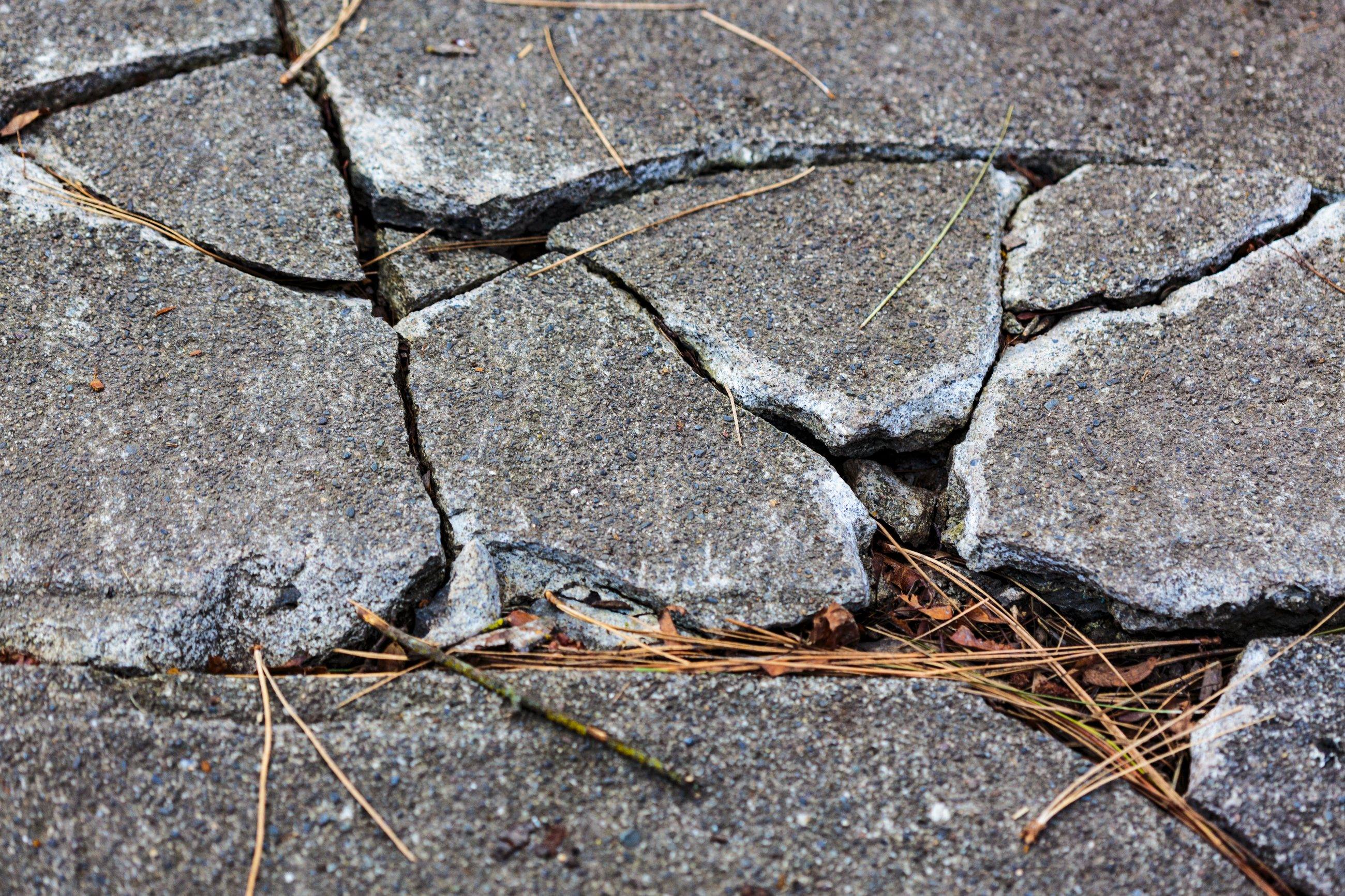
Freeze–thaw cycles and road salt can peel away the top layer, especially on concrete that was over-finished or not cured well.
A low area or reverse slope holds water that refreezes every night through March.
Frost and moisture can lift the end of the slab where it meets the apron or sidewalk, catching plow blades and bumpers.
Older single-car driveways rarely suit two drivers, a teen with a first car, or a work vehicle.
The process
Each step affects how the driveway holds up years from now. This is the general sequence, adjusted for each site.
We document the existing elevations, set the finished heights at the garage and street, and lay out width, slope and joint pattern.
Existing concrete, asphalt or gravel is broken out and removed, with care taken around landscaping, sidewalks and utilities.
Unsuitable soil is excavated, and granular base is placed and compacted in layers to give the slab even support.
Forms establish the edges and slope. Reinforcement is placed where the plan calls for it, and transitions are checked again.
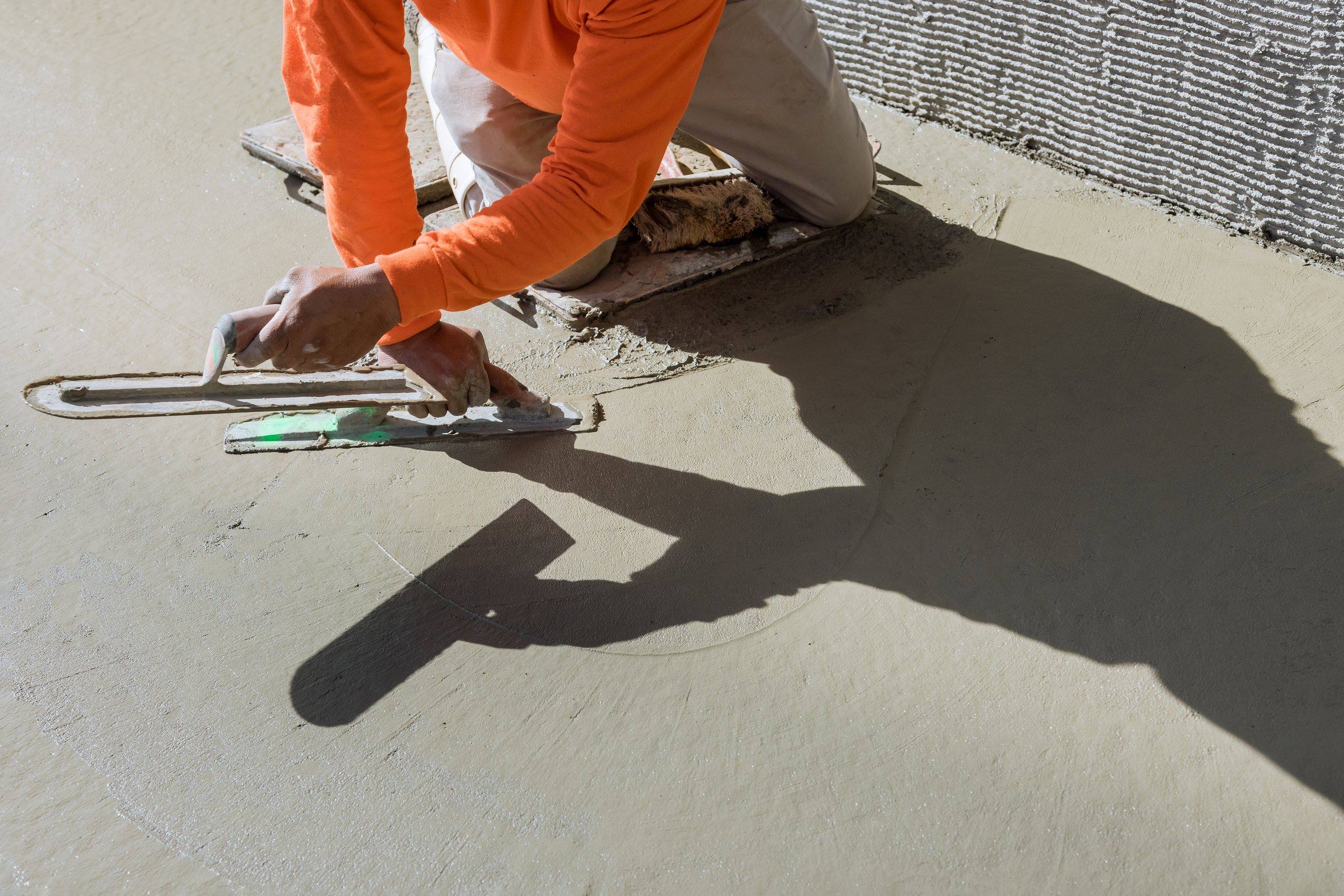
Concrete is placed, screeded, bull-floated and edged. A broom texture gives traction for wet and snowy days.
Control joints are tooled or saw-cut on schedule, and the slab is cured so it develops its strength before carrying traffic.
Materials & finishes
A driveway can stay simple or pick up a few details that make the front of the house look finished.
Practical, grippy and easy to shovel. Still the right answer for most Waukesha driveways.
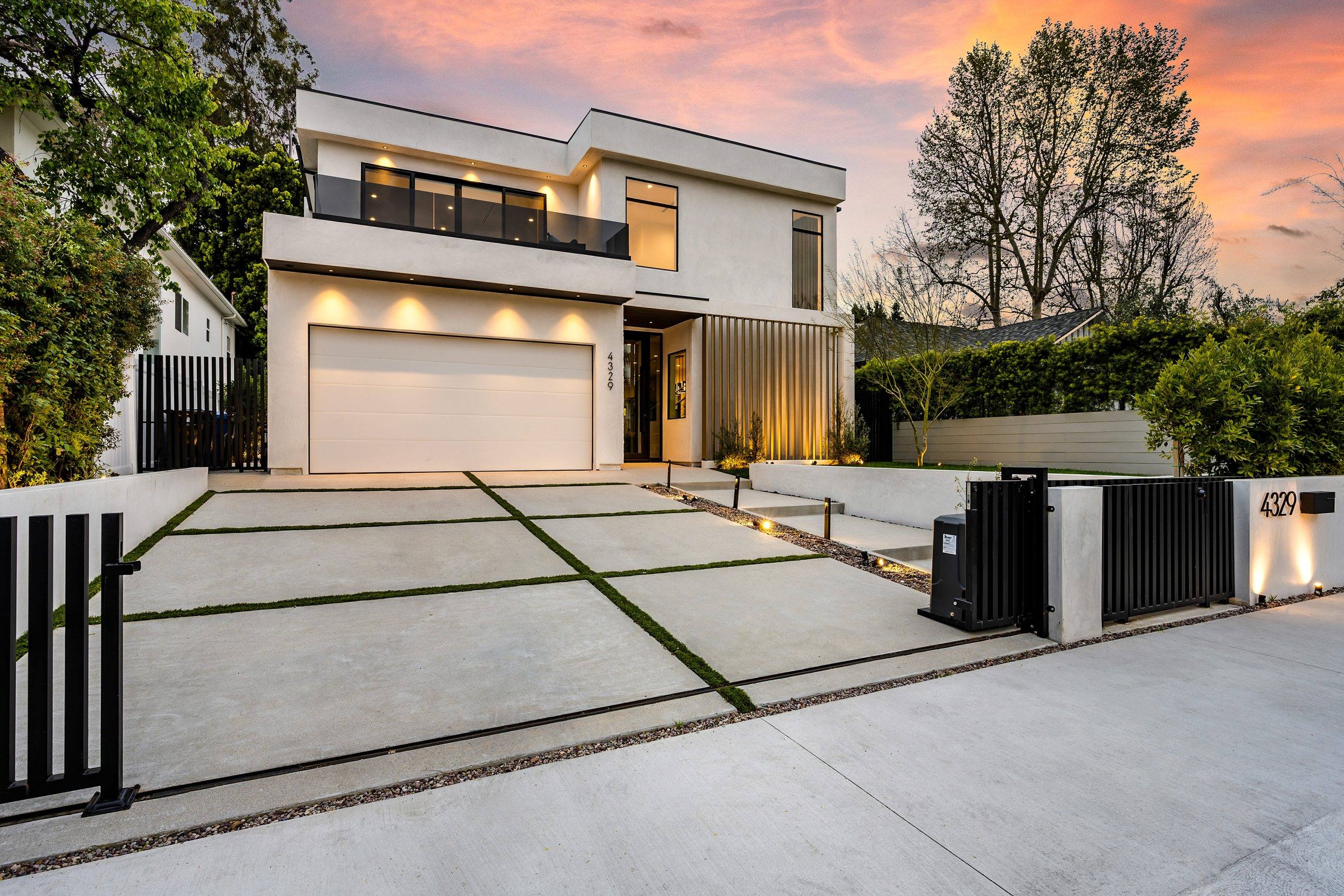
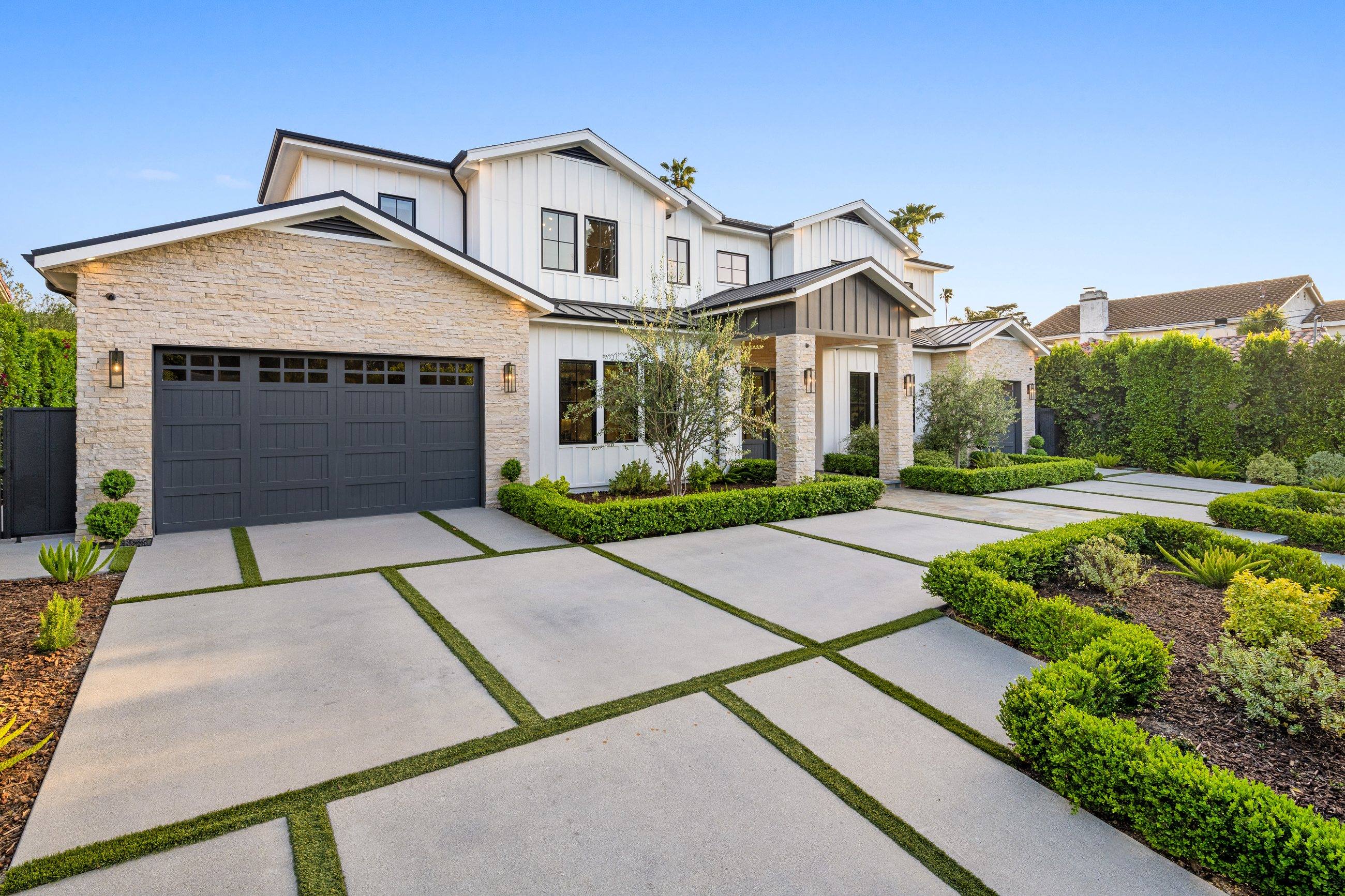
Wider joint spacing with deliberate patterns — even grass or stone strips between panels — for a contemporary look.
A stamped or textured band along the edges or at the apron adds definition without decorating the whole surface.
Revealing the stone in the mix gives a natural look and a textured surface underfoot.
Decorative options and specific mixes are confirmed with you during the estimate.
Benefits
Good base and drainage mean less heaving, settling and cracking after each winter.
No yearly sealcoating; occasional cleaning and periodic sealing are usually enough.
Replacement is the chance to widen, add a pad, or fix an awkward turn-in.
Straight edges and clean joints make the whole property look cared for.
Residential
New driveways, tear-out and replacement, widenings, side parking pads and turnarounds.
Commercial
Driveway approaches and entrance aprons on smaller commercial properties, reviewed case by case during an estimate.
Before & after
Drag to compare. This is an illustration of the difference a replacement makes — actual project photos can be swapped in later.
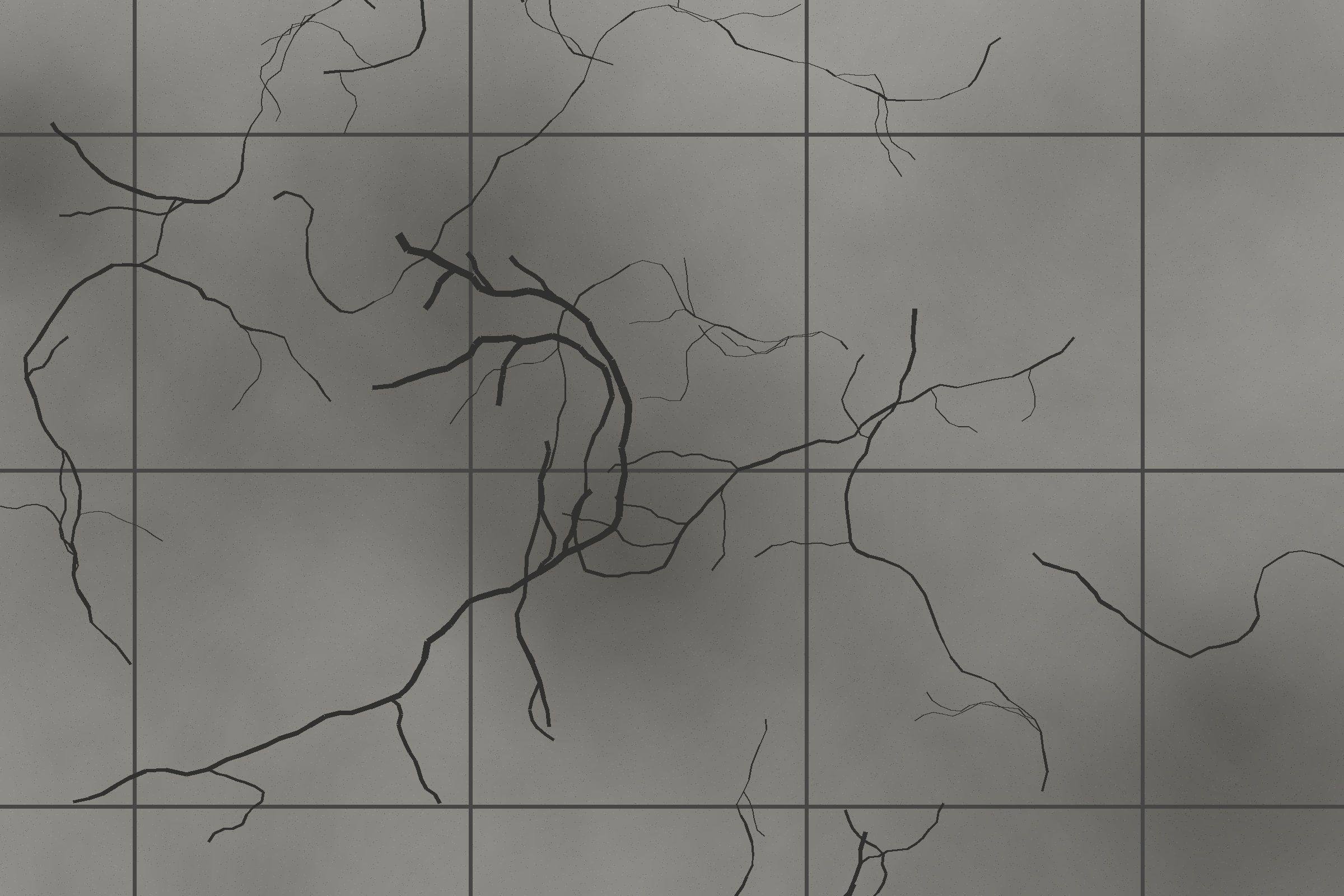

Illustration only — not a photo of a Waukesha Elite Concrete project. Genuine project photos will replace it.
Waukesha, WI
Waukesha sees a long stretch every year where daytime melt and overnight freezing trade places. Water that soaks into concrete or sits beneath it expands as it freezes. Over many seasons, that is what pops surfaces, lifts slabs and widens cracks.
We plan for it from the bottom up: a well-drained base, slopes that move water off the slab, concrete suited to freeze–thaw exposure, and curing that gives the surface time to toughen before its first season of salt and shovels.
FAQ
Walking is usually fine after a day or two. Most passenger vehicles should wait about a week, and heavy trucks or trailers longer than that. We’ll give you dates based on the mix and the weather during your project.
A thin overlay on a slab that is settling or breaking up tends to crack in the same places. If the base has failed, removing the old driveway and rebuilding the base is the reliable fix.
Work that touches the street apron, curb or public sidewalk often requires approval from the City of Waukesha. We’ll flag anything that may need a permit during the estimate so it can be sorted out before scheduling.
Skip rock salt — especially the first winter — and use sand or a concrete-safe deicer instead. Prompt shoveling and a penetrating sealer, applied once the concrete has cured, also help.
Usually, yes, as long as setbacks, drainage and any city requirements allow it. Replacement is the ideal time to make that change.
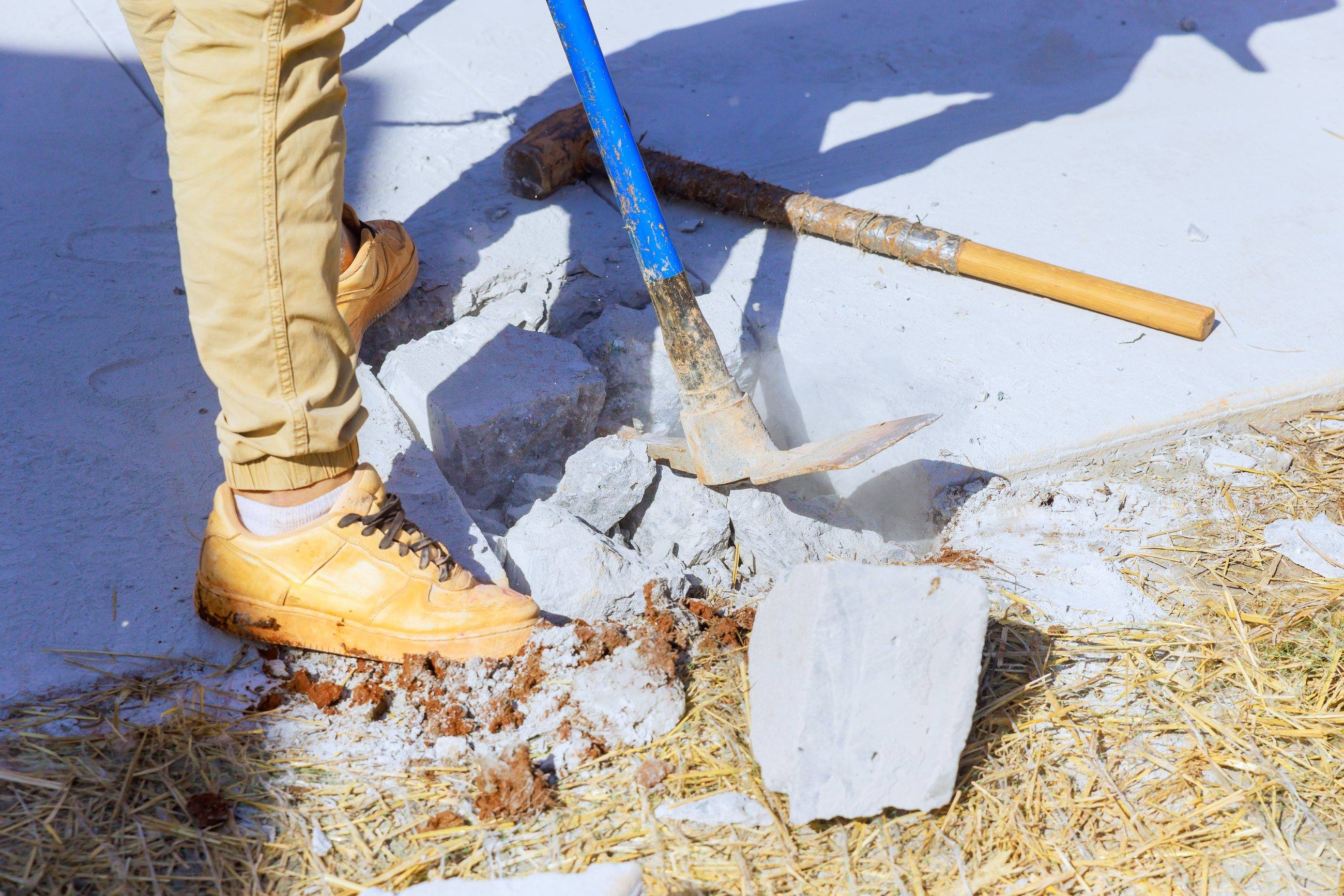
Remove failed concrete, fix what went wrong underneath, and pour a slab built to last.
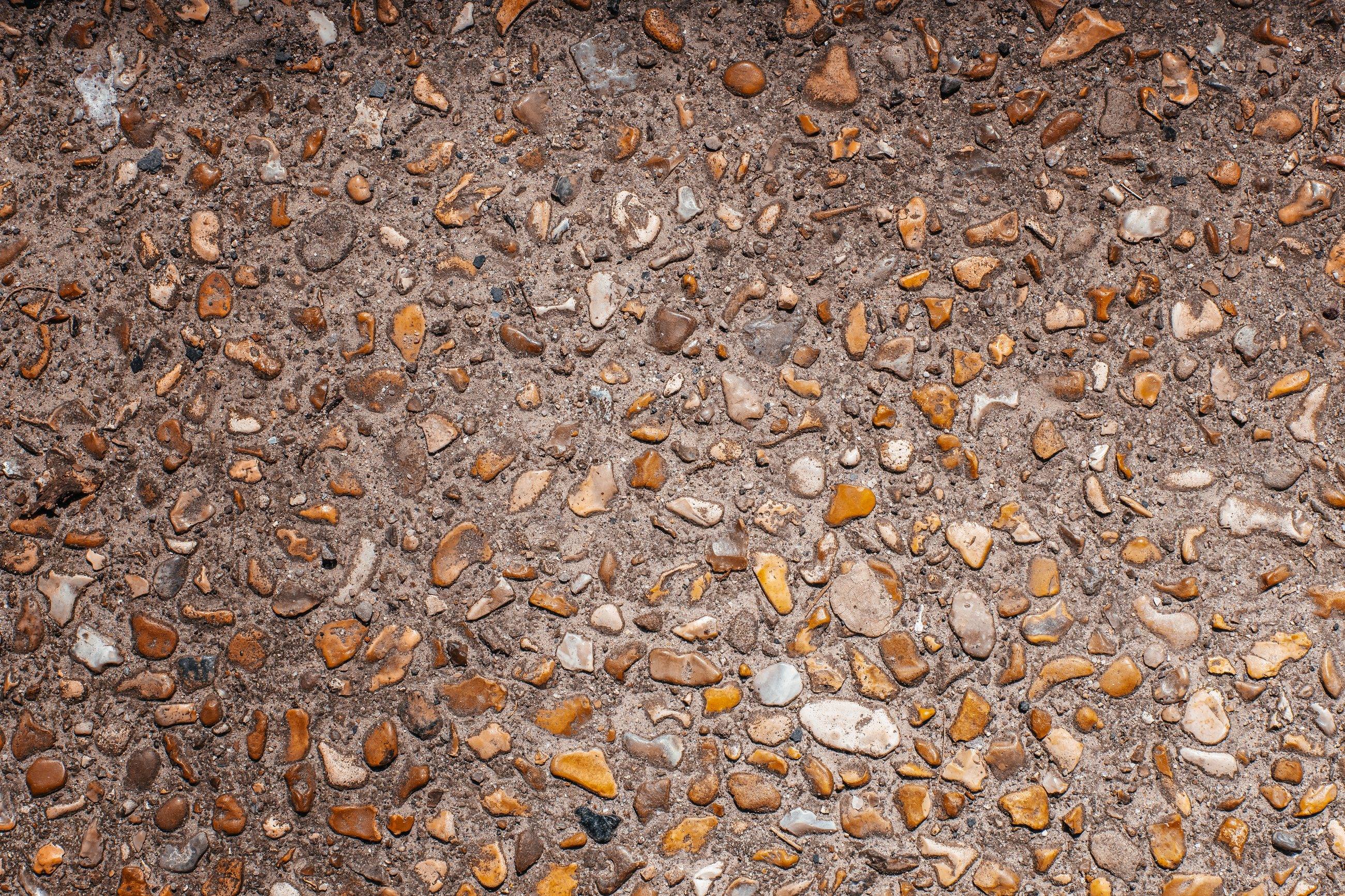
Exposed aggregate, color, borders, saw-cut patterns and textures that make concrete feel designed.
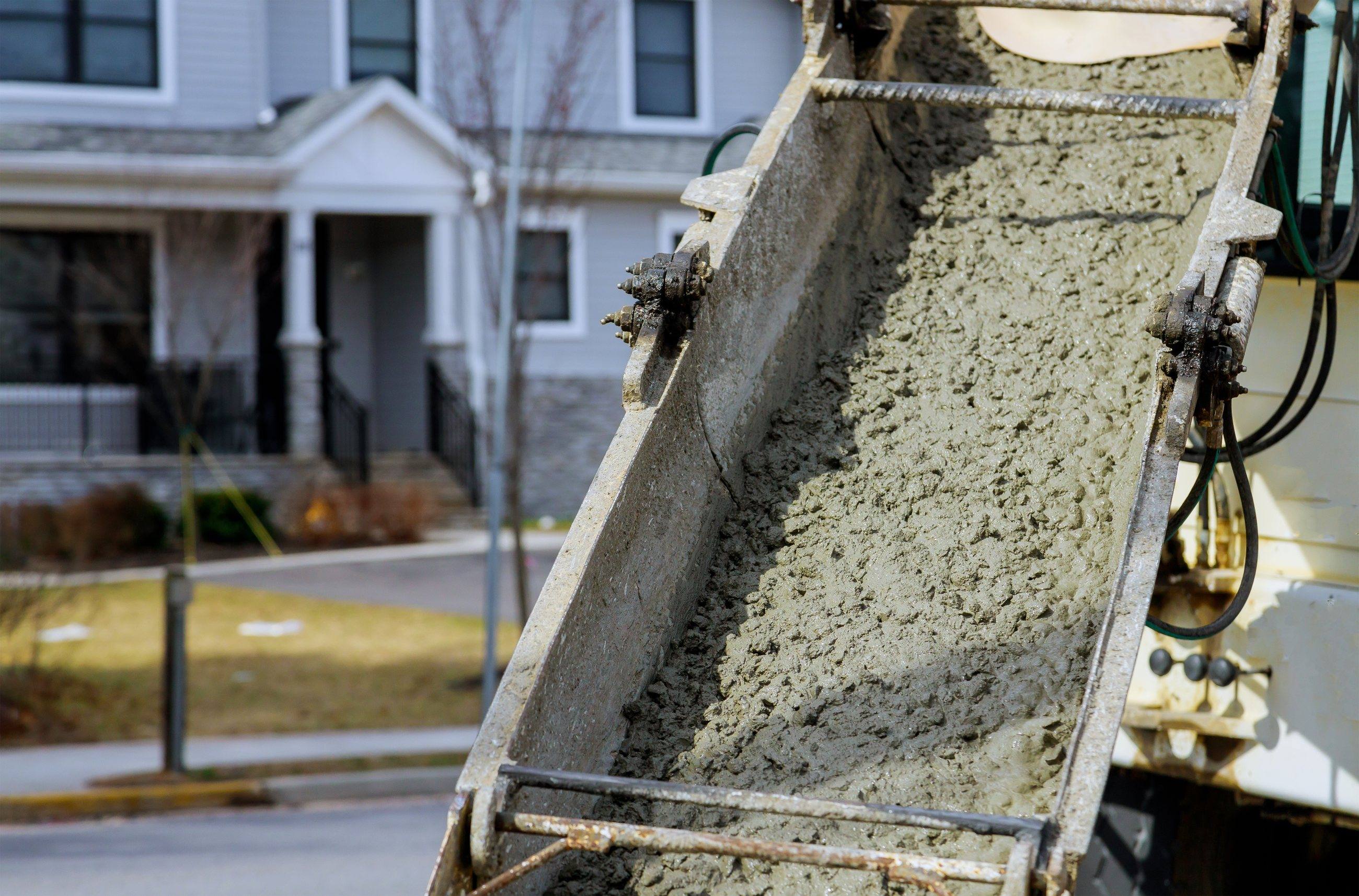
Level, safe sidewalks with proper drainage and flush transitions at driveways, steps and entrances.
A clear diagnosis first, then the right fix for cracks, scaling, broken edges and damaged steps.
Free estimates in Waukesha
Send a short description and a few photos. We’ll follow up to arrange a visit and a written estimate for your concrete driveway installation project in Waukesha.