A back door to nowhere
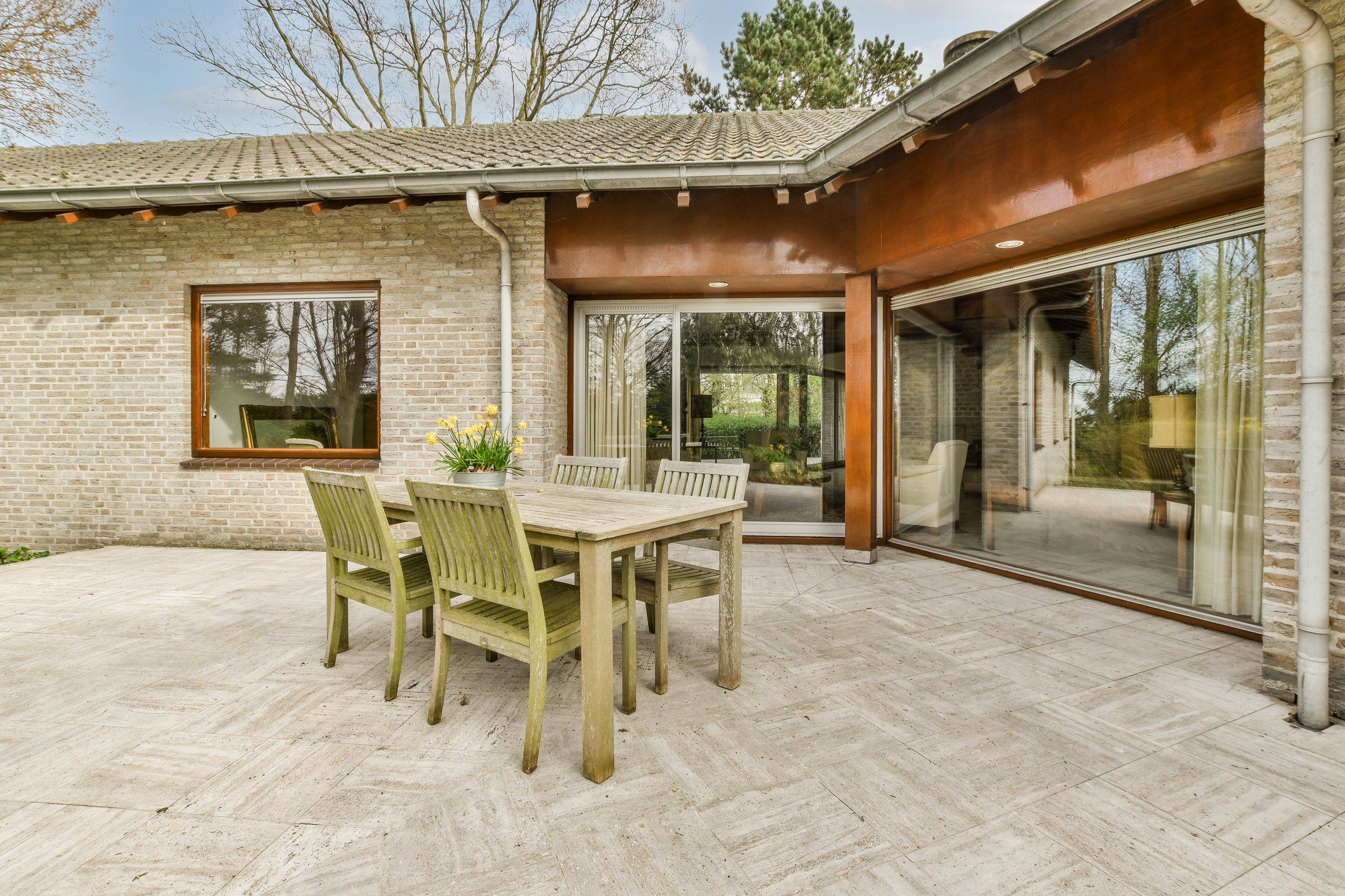
The house has a slider or French door that opens onto grass, mud, or a small step with nowhere to sit.
Service 02 · Patios
The best patios feel like they were always meant to be there. They line up with the door you actually use, leave space to pull a chair back from the table, and sit at the right height so stepping out of the house feels natural.
Waukesha Elite Concrete designs and pours concrete patios for Waukesha homeowners. We help you work out the layout first, then build it on a base that won’t let the slab tip toward the house after a few winters.
Start with a list of what the patio should hold: a dining table and how many chairs, a sectional, a grill and prep space, a fire pit, a hot tub, planters. Each one has a footprint and needs room around it. We sketch the patio around those pieces so the finished size works the day you move the furniture out.
Then we think about the setting. Morning sun or afternoon shade, the neighbor’s second-floor windows, a view of the yard you want to face, how the patio meets steps, a deck or a garden path. A patio placed and shaped with those in mind gets used far more than one simply poured off the back door.
Finally, water. The slab needs gentle fall away from the foundation, and that water needs a place to go. On flat Waukesha lots that can take some planning; on sloped ones, it may mean stepping the patio or regrading around it.
Common situations
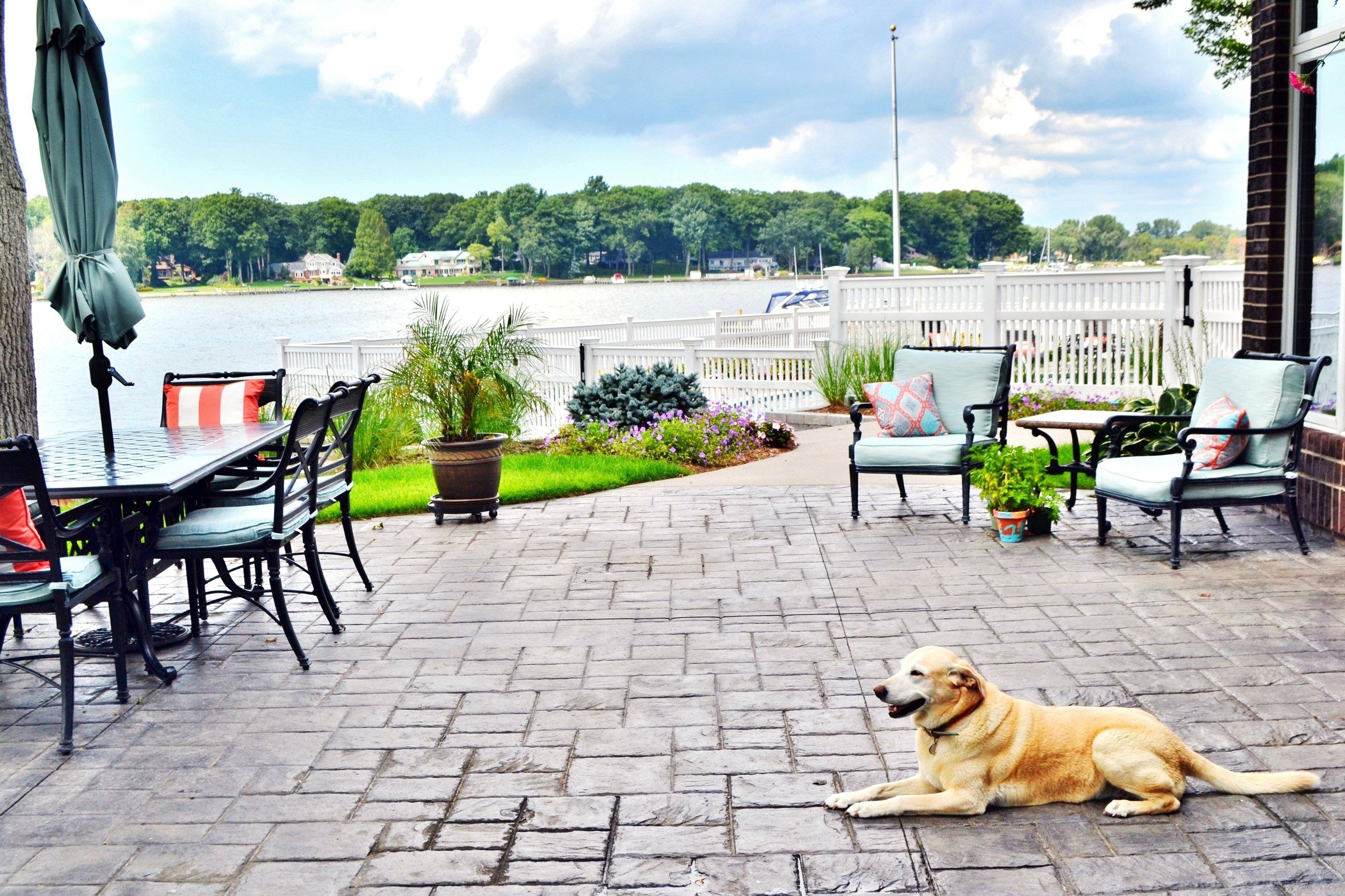
Patio projects usually begin with one of these situations.
The house has a slider or French door that opens onto grass, mud, or a small step with nowhere to sit.
Settled patios direct rain back at the foundation and create a lip at the door.
Weeds in the joints, sunken areas and wobbly stones push many homeowners toward a poured surface.
A patio that fit a bistro set is too small for a family dinner or a grilling area.
Replacing a worn ground-level deck with concrete trades yearly staining for a low-maintenance surface.
The process
Here’s the typical sequence. Access, soil and the finish you choose can change the details.
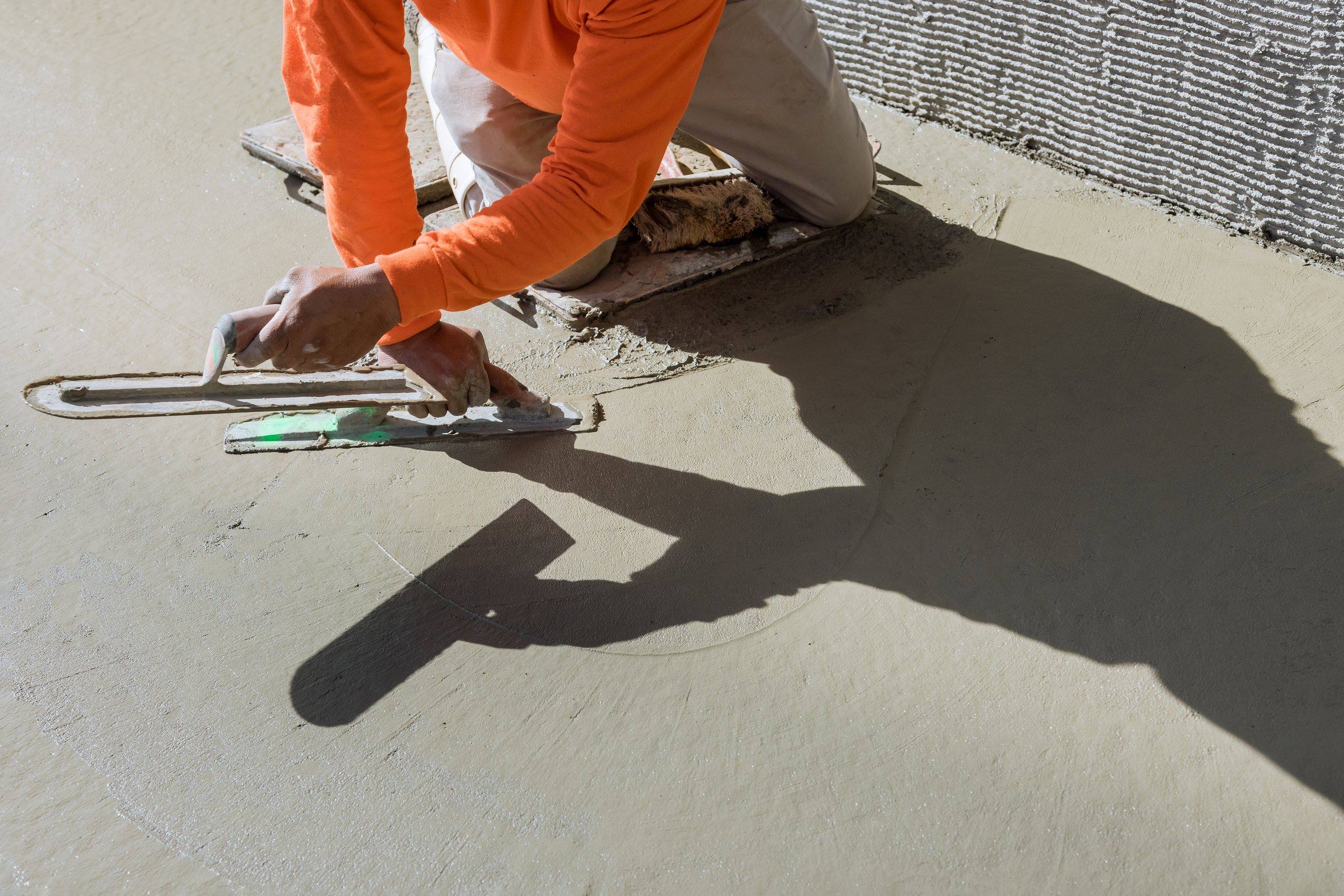
We mark the shape on the lawn, adjust it until it feels right, and check heights at doors, steps and the surrounding grade.
Sod, topsoil and any old slab or pavers are removed. Soft or organic soil is dug out.
Granular base is placed and compacted to give the patio firm, even support.
Forms set the outline and the slope away from the house. Curves, steps and borders are formed now.
Concrete is placed and finished to the texture or pattern you chose, with joints laid out to suit the shape.
After curing, forms come off and soil is restored so the patio sits cleanly in the yard.
Materials & finishes
Patios are where people tend to have the most fun with finish. Common directions include:
Smooth enough to feel nice barefoot, textured enough to stay grippy after a summer storm.
Stone, slate or brick looks pressed into the surface. See our stamped concrete page for how that works.
A tinted field or contrasting border can soften a large slab and tie it to the house.
Steps between zones, rounded edges or a separate fire-pit pad make a patio feel designed.
Specific colors and patterns are confirmed with samples before your project is scheduled.
Benefits
Curves, angles and steps are formed in place rather than cut from units.
One continuous surface — no shifting stones or sand to sweep back into joints.
Sweep, hose, and reseal periodically. Grease near the grill cleans up more easily on sealed concrete.
From minimal and modern to stamped stone, the same material covers it.
Residential
Backyard patios, patio extensions, fire-pit and grill pads, hot tub pads, and patios that connect to walkways and steps.
Commercial
Outdoor seating and break areas at commercial properties can be evaluated during a site visit.
Before & after
Use the slider to compare. This illustration stands in for project photos that can be added later.


Illustration only — not a photo of a Waukesha Elite Concrete project. Genuine project photos will replace it.
Waukesha, WI
Patio season in Waukesha runs roughly from late spring into early fall, so a patio that dries quickly after rain and stays comfortable underfoot matters. Good slope and the right texture help on both counts.
Winter still shapes the design. Snow shoveled off the patio usually piles at its edges, roof drip lines dump meltwater in the same spots every thaw, and those areas see the most freeze–thaw stress. We place joints and plan drainage with that pattern in mind.
FAQ
Work backward from the furniture. A table for six with chairs pulled out takes roughly a 14-by-14-foot area; adding a lounge set or grill zone can double that. We’ll stake out options so you can see them in your yard.
It depends on the look you want and your budget. Plain broom finishes are durable and affordable; stamped and colored finishes add character and need periodic resealing.
Right up to it, as long as the slab slopes away from the foundation and sits safely below door thresholds and siding.
Often, but a filled spa is a heavy point load. Let us know early so that area can be planned accordingly, and check the manufacturer’s requirements.
Light foot traffic is usually fine within a day or two. Wait longer before moving heavy furniture, grills or planters onto it; we’ll give you specific timing.
Stone, slate and brick-inspired patterns pressed into fresh concrete for a high-end look on one continuous surface.
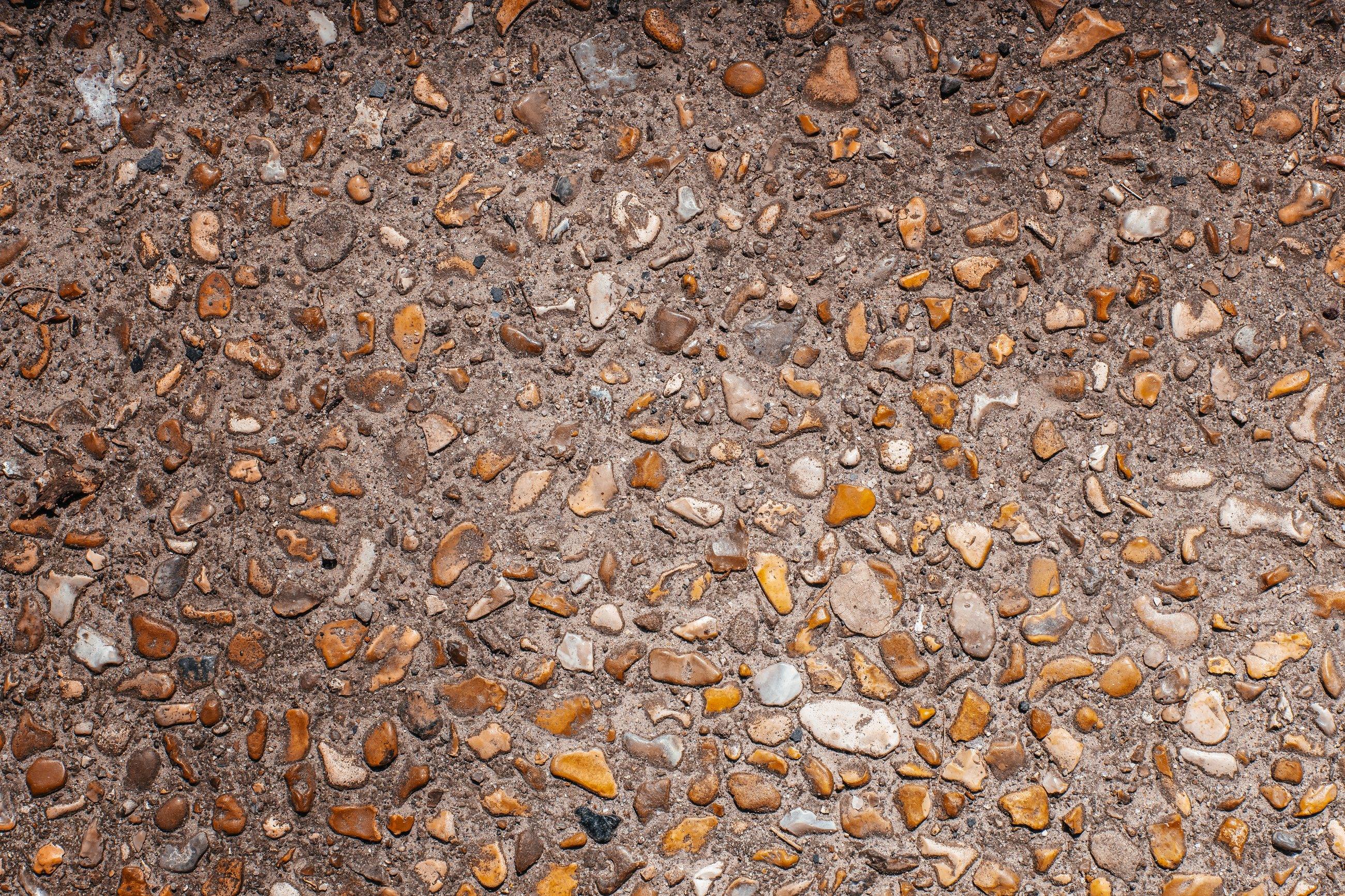
Exposed aggregate, color, borders, saw-cut patterns and textures that make concrete feel designed.
Front entry walks, garden paths and side-yard routes that connect the property — straight, curved, or stepped.
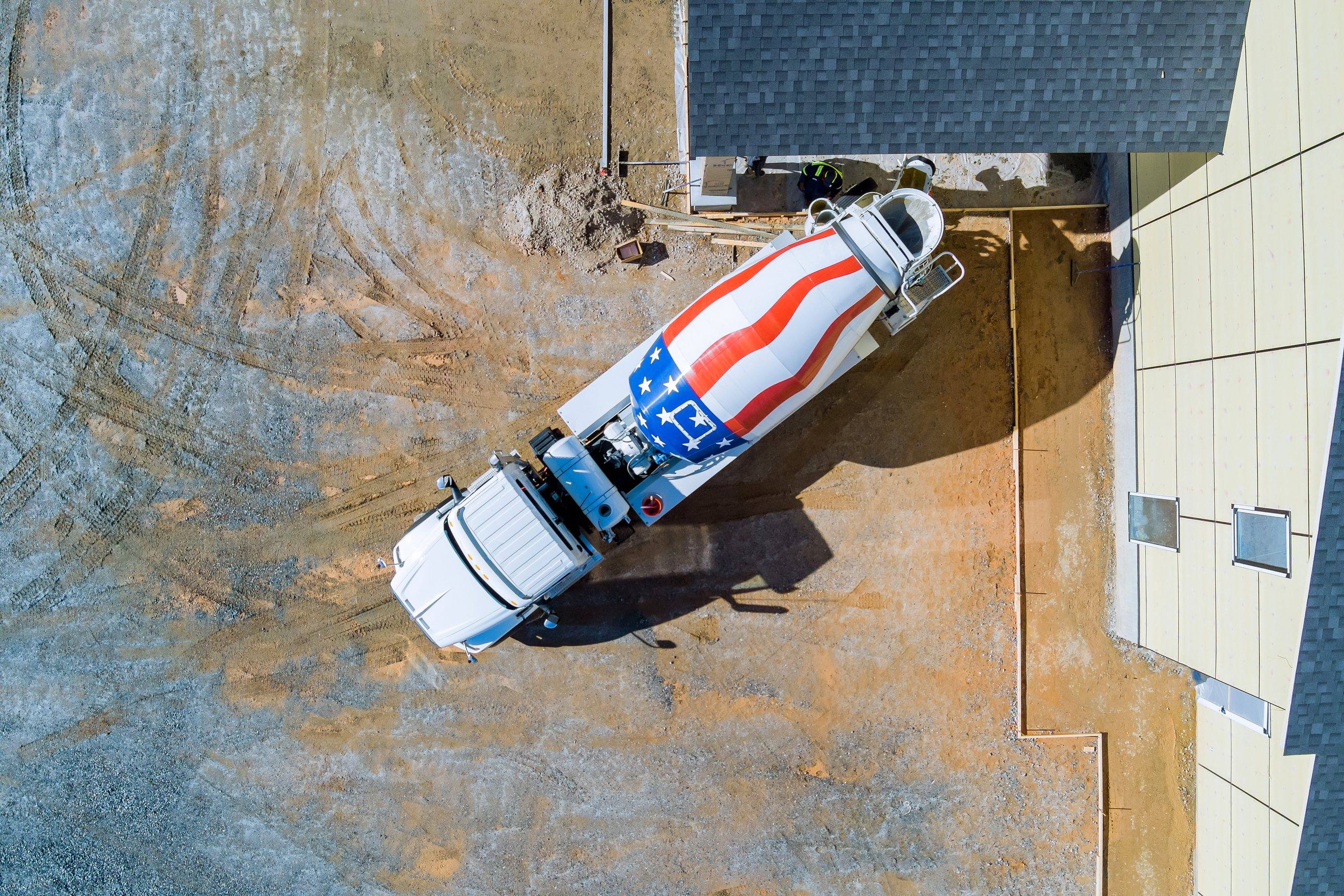
Flat, square, well-supported slabs for sheds, garages, spas, equipment and sport courts.
Free estimates in Waukesha
Send a short description and a few photos. We’ll follow up to arrange a visit and a written estimate for your concrete patio installation project in Waukesha.