Cracks
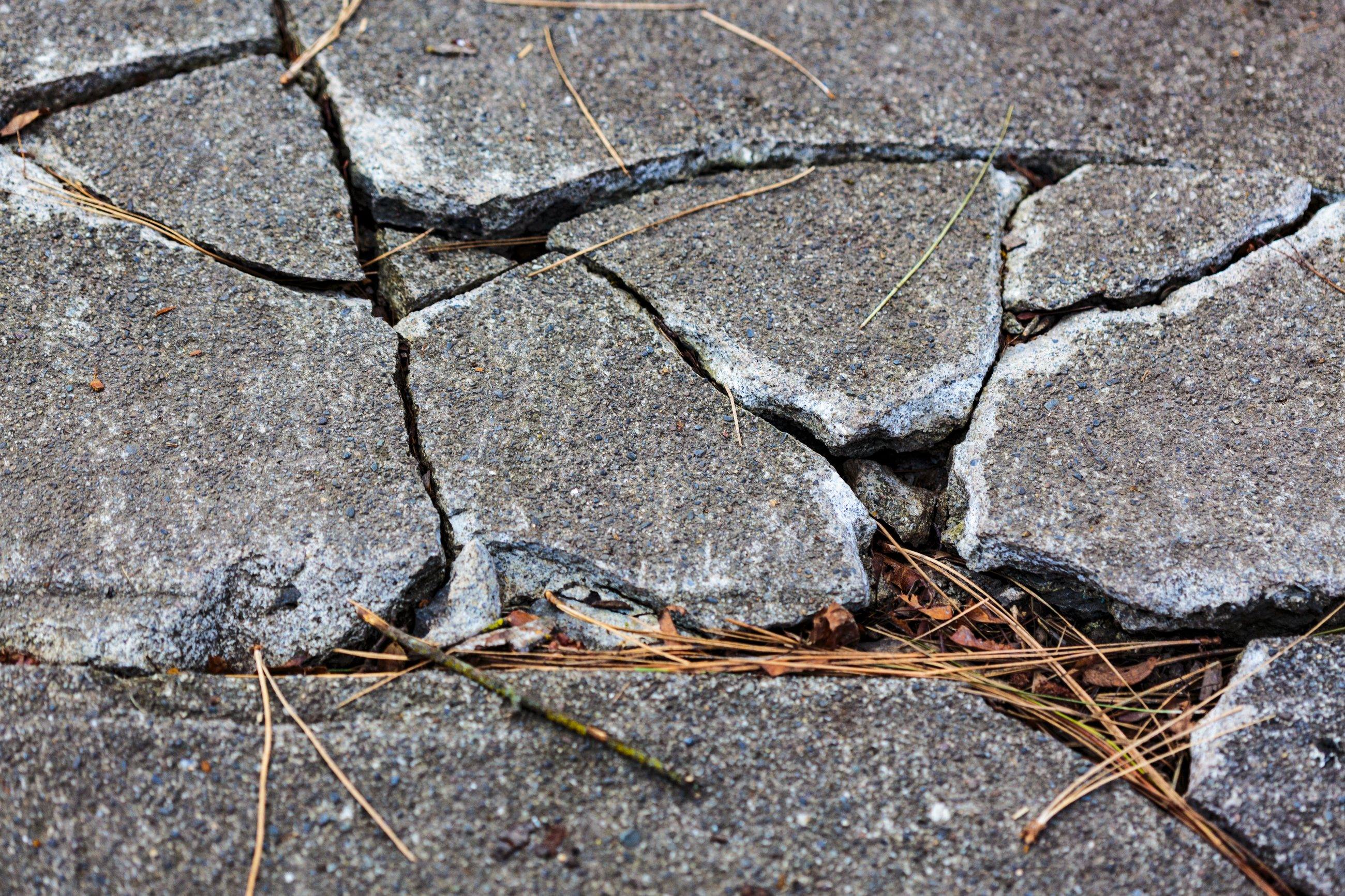
From hairline surface cracks to open cracks that let water and weeds in.
Service 08 · Repair
Damaged concrete doesn’t always mean starting over. A chipped step, a section of flaking surface or a crack that opened and stopped can often be repaired, extending the slab’s life for years.
But some damage is a symptom. A crack that widens every spring, or a panel that rocks underfoot, usually means the support below has changed — and patching the surface won’t change that. Waukesha Elite Concrete starts every repair request by working out which kind of problem you have.
Different causes leave different clues. Fine, random cracks often come from shrinkage during curing. Flaking on the surface points to freeze–thaw and deicers. Broken corners suggest impact or a weak edge. Cracks with one side higher than the other, or panels that have dropped, usually mean the base has moved.
During an assessment we look at crack width and pattern, whether the slab is level across cracks and joints, how it sounds and moves, where water drains, and the slab’s age and condition overall.
Then we give you a straight answer. If a repair is likely to hold, we’ll explain what it will and won’t accomplish — including how visible it may be. If replacement makes more sense, we’ll explain why.
Common situations
These are the issues that most often bring people to us.
From hairline surface cracks to open cracks that let water and weeds in.
The top layer flaking or peeling, usually after freeze–thaw cycles and salt.
Broken edges from plows, vehicles or impacts.
Panels that dropped or tilted, creating trip hazards or drainage problems.
Broken treads and edges that make steps unsafe.
Joints that let water under the slab and speed up deterioration.
The process
Repairs vary more than new installations, but the approach is consistent.
We examine the damage, the surrounding concrete, and drainage to understand the cause.
You get our recommendation — repair, partial replacement or full replacement — with the reasoning.
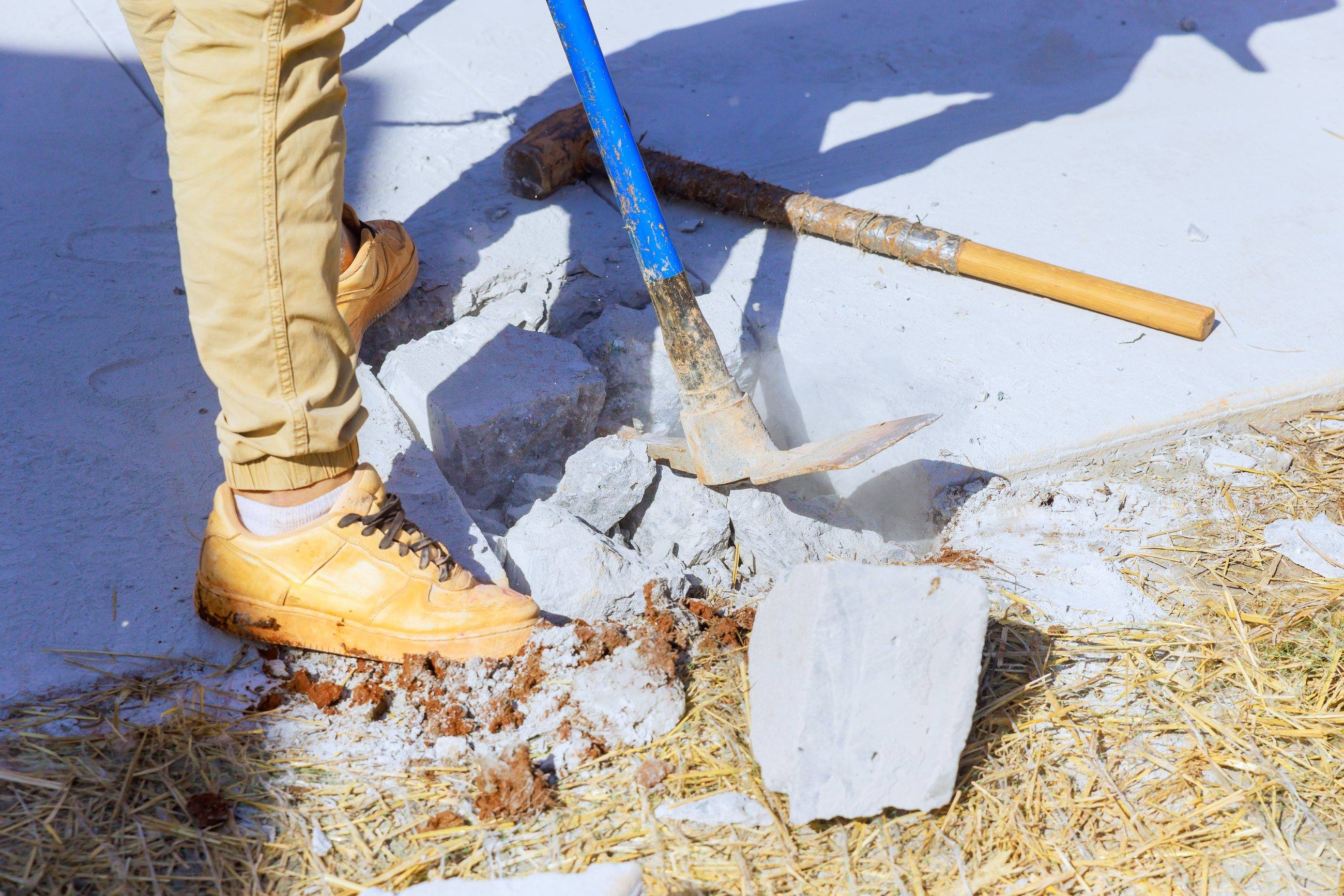
Loose and damaged material is removed, and the area is cleaned so repair materials bond.
The suitable method is applied, such as crack treatment, patching, or cutting out and replacing a section.
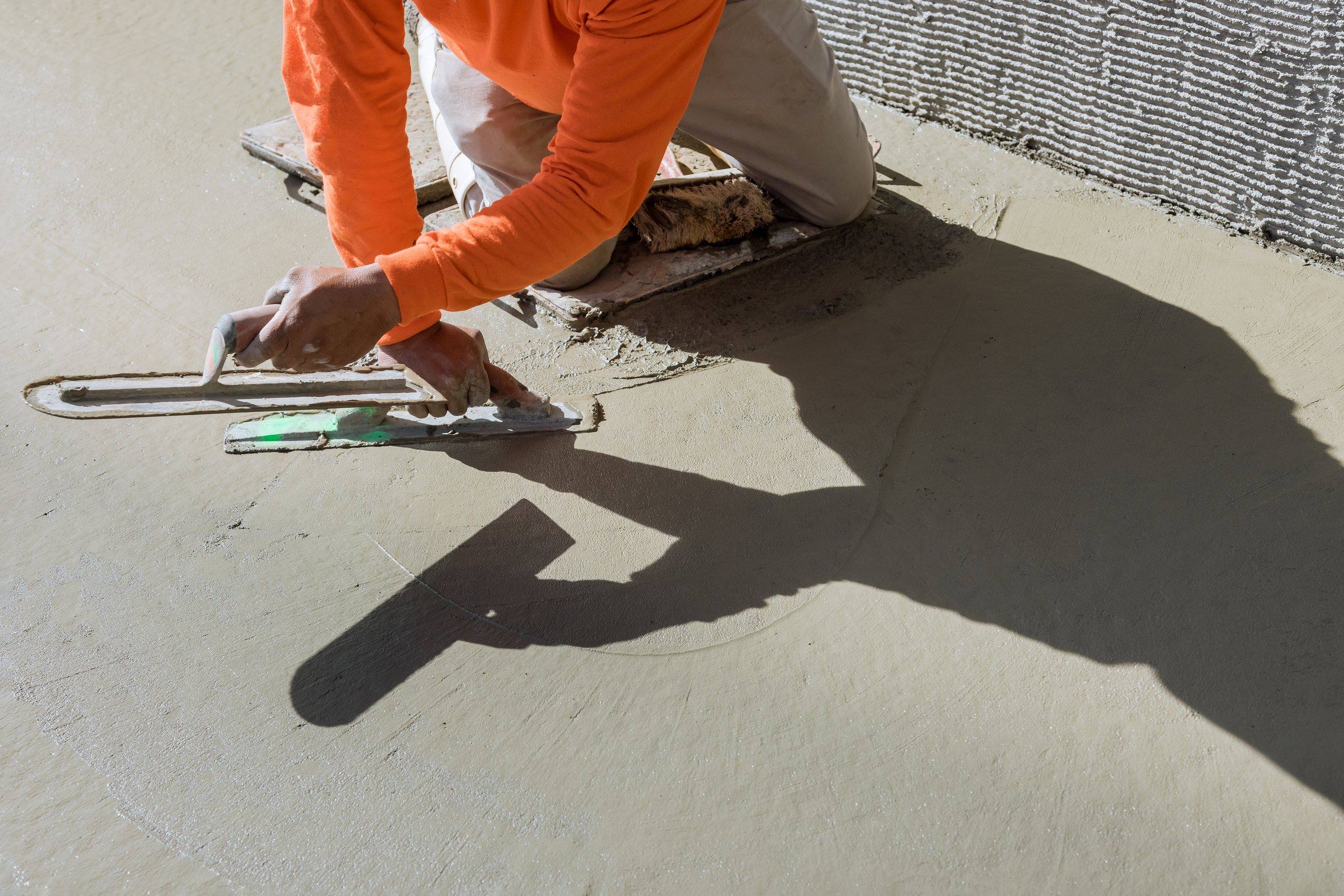
Where possible, the repair is finished to match the surrounding texture.
The repair cures, and you get advice on preventing the problem from coming back.
Materials & finishes
The right approach depends on the damage and what caused it:
Cleaning and sealing cracks to keep water out — best for cracks that aren’t moving.
Rebuilding localized surface damage, broken edges or chipped corners.
Removing damaged panels at the joints and pouring new ones, keeping sound concrete.
Cleaning and resealing joints to limit water getting beneath the slab.
Concrete that is structurally compromised, or that supports a building, may need an engineer’s evaluation. We’ll tell you if that’s the case.
Benefits
Fixing localized damage costs less than replacing the whole slab.
A smaller work area and a shorter timeline.
Keeping water out of cracks and joints buys the slab more years.
Fixing trip edges and broken steps reduces fall risks.
Residential
Driveways, patios, sidewalks, walkways, steps and stoops with cracks, scaling or localized damage.
Commercial
Sidewalks, entries and flatwork at commercial properties can be assessed during a site visit.
Before & after
Drag to compare. This is an illustration; repaired areas blend best when the surrounding concrete is in good shape.
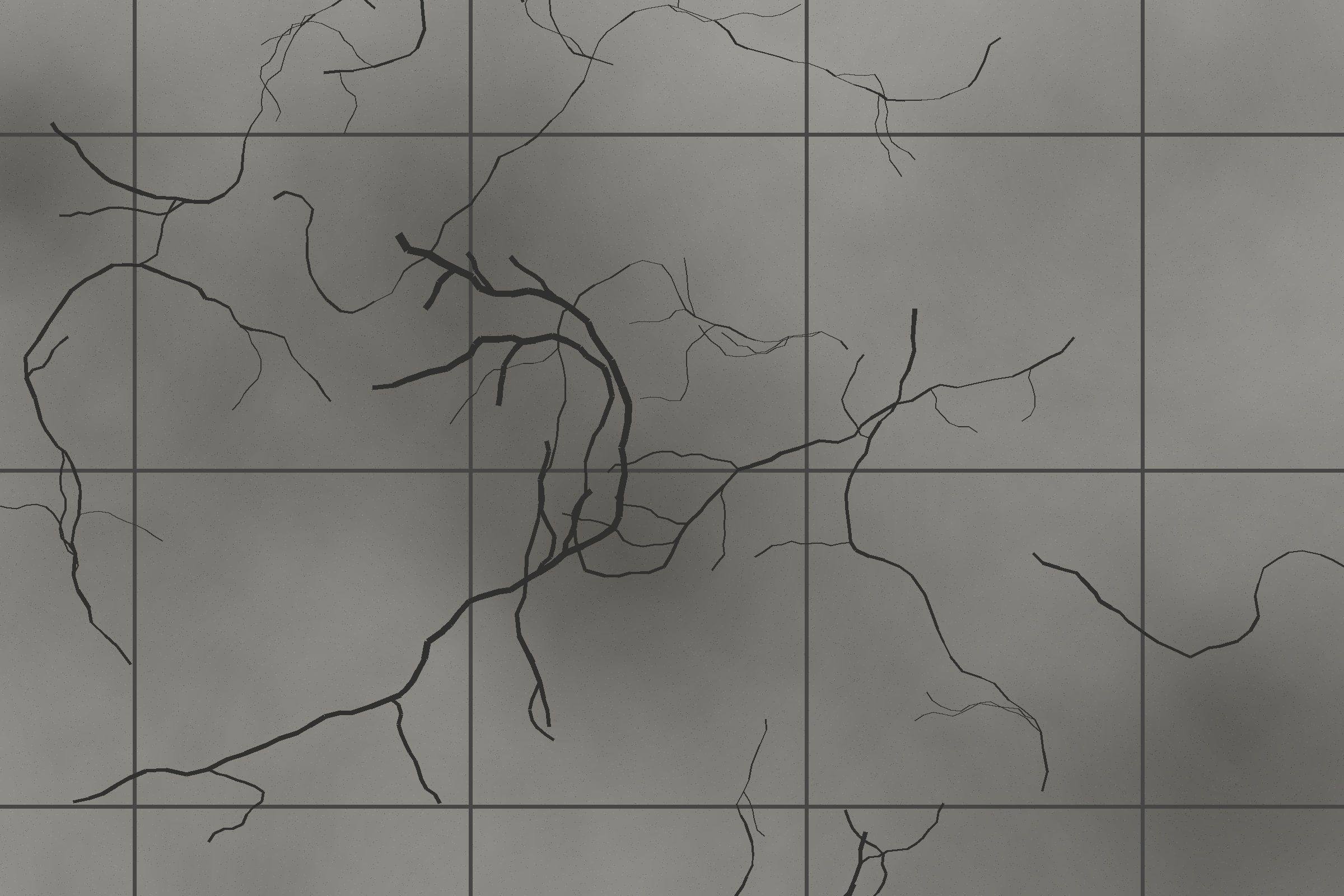

Illustration only — not a photo of a Waukesha Elite Concrete project. Genuine project photos will replace it.
Waukesha, WI
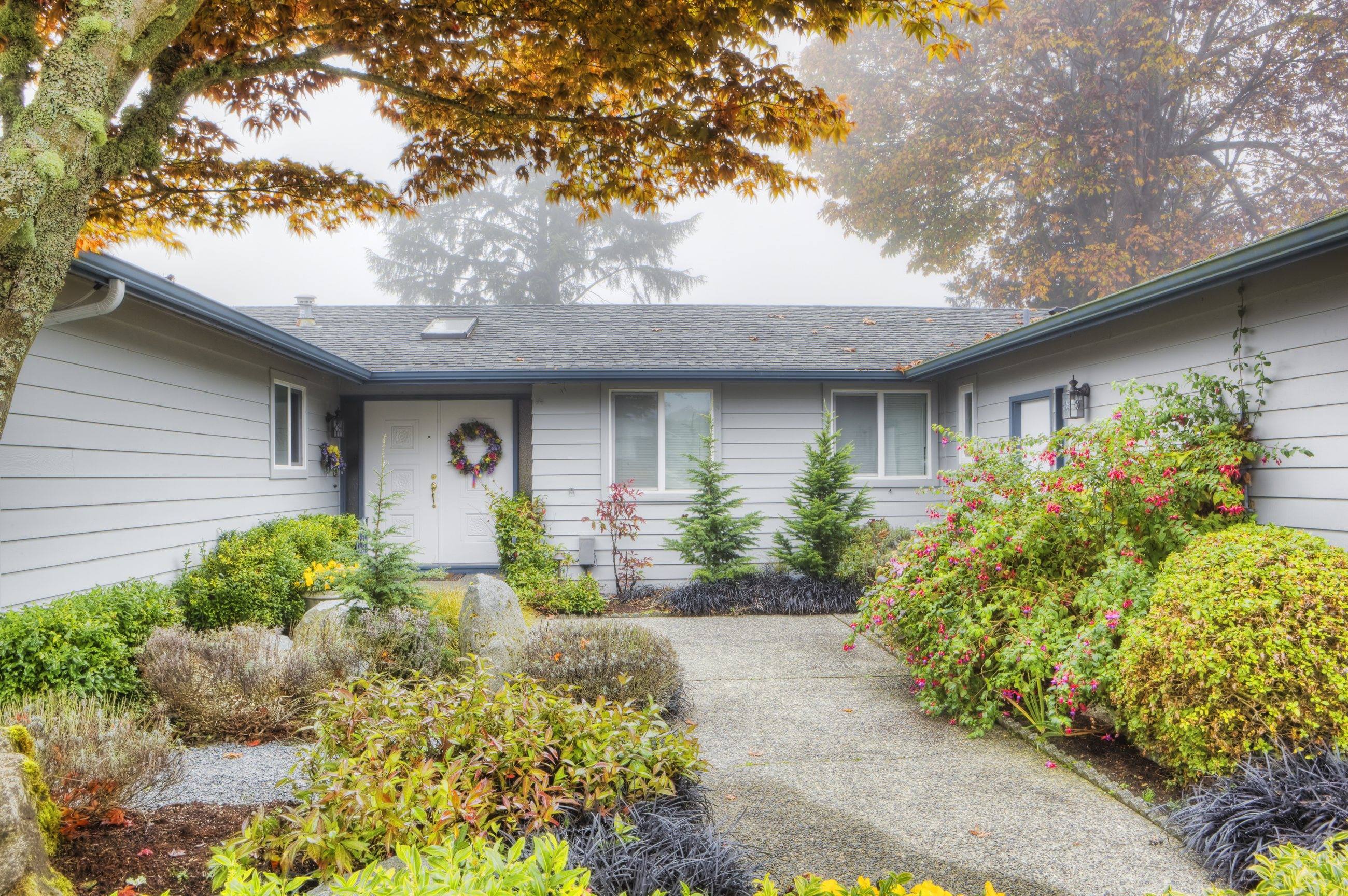
Most exterior concrete damage here comes down to water and winter. Water seeps into cracks and pores, freezes, expands, thaws and repeats — dozens of times a year. Deicing salt makes the surface even more vulnerable.
Small habits make a difference: seal cracks before winter, keep downspouts from discharging onto slabs, avoid rock salt, and clear snow promptly. They help both repaired and original concrete last longer.
FAQ
Most can be treated, but not every treatment is worthwhile. A stable crack can be sealed. A crack that keeps moving will usually reopen until the cause underneath is addressed.
Usually somewhat. New material rarely matches weathered concrete exactly at first, though the difference softens over time.
Widespread cracking, large settled areas, extensive scaling or poor drainage across the slab usually point to replacement. Isolated damage on a sound slab is a good repair candidate.
Usually a combination of freeze–thaw cycles, deicing salts and concrete that wasn’t finished or cured properly. Once it starts, it tends to spread.
Sometimes, depending on the cause and the slab’s condition. In many cases, replacing the settled section on a properly prepared base is the most reliable answer.
Remove failed concrete, fix what went wrong underneath, and pour a slab built to last.
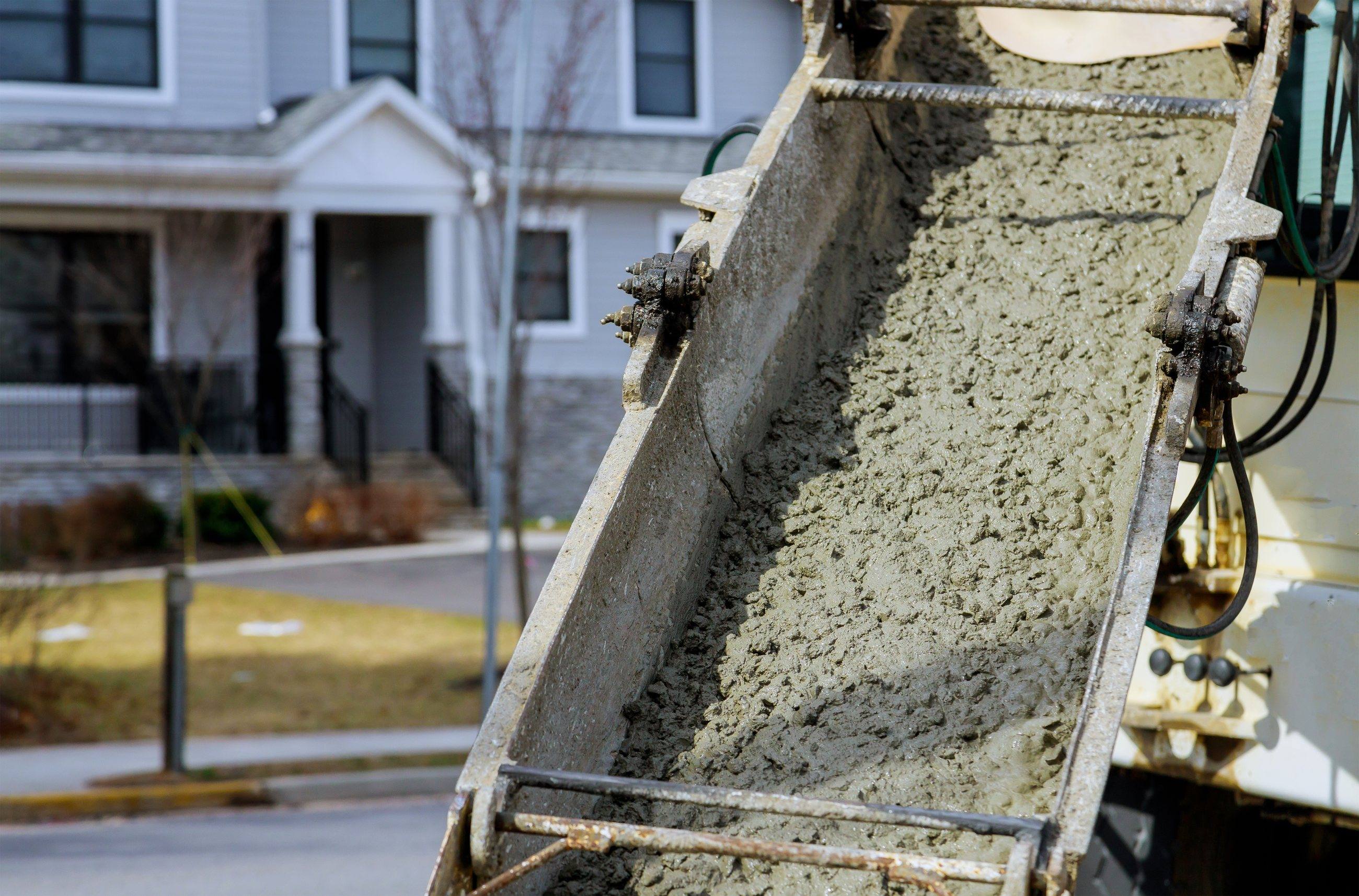
Level, safe sidewalks with proper drainage and flush transitions at driveways, steps and entrances.
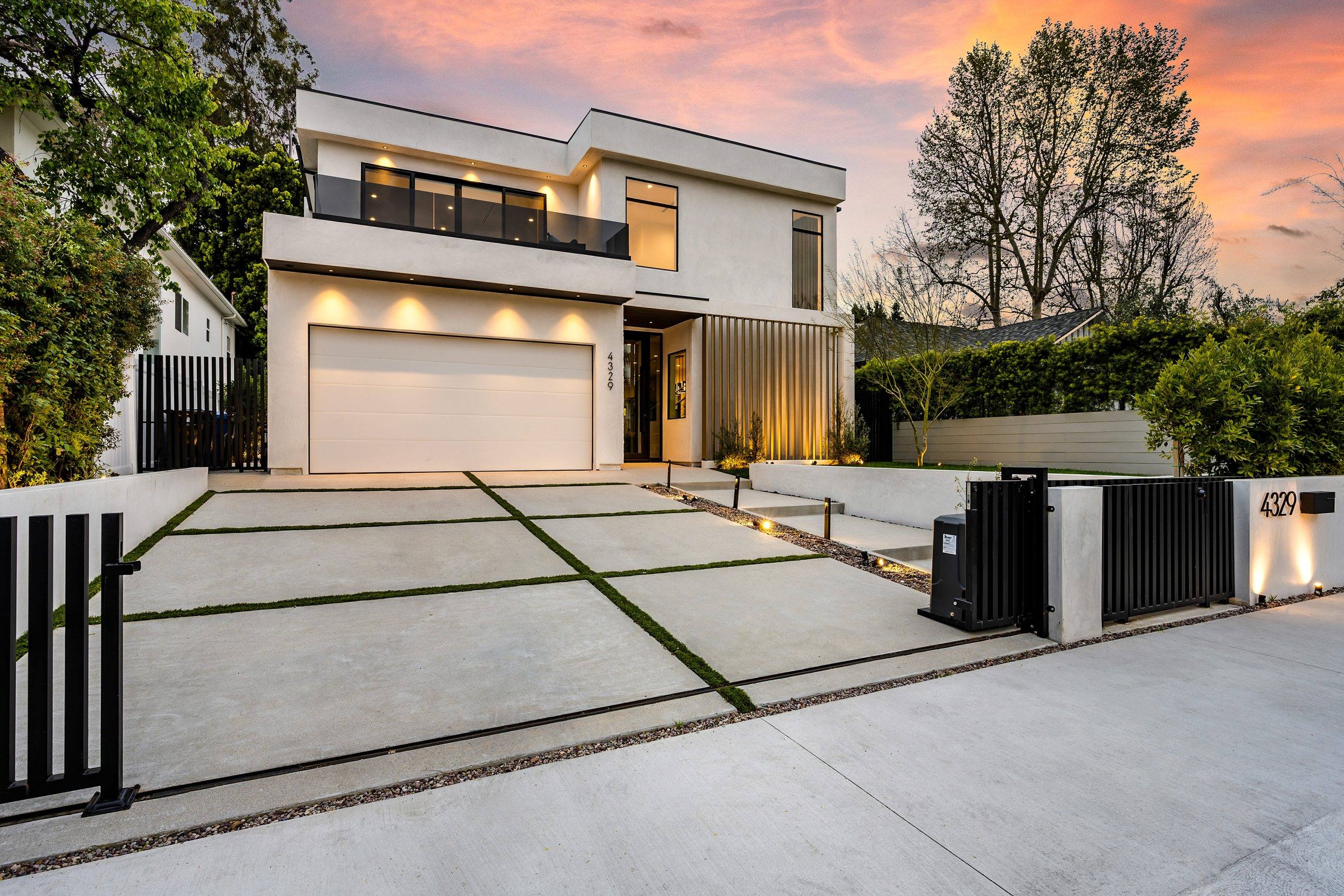
Driveways planned around how you park, where the water goes, and what a Waukesha winter will throw at the slab.
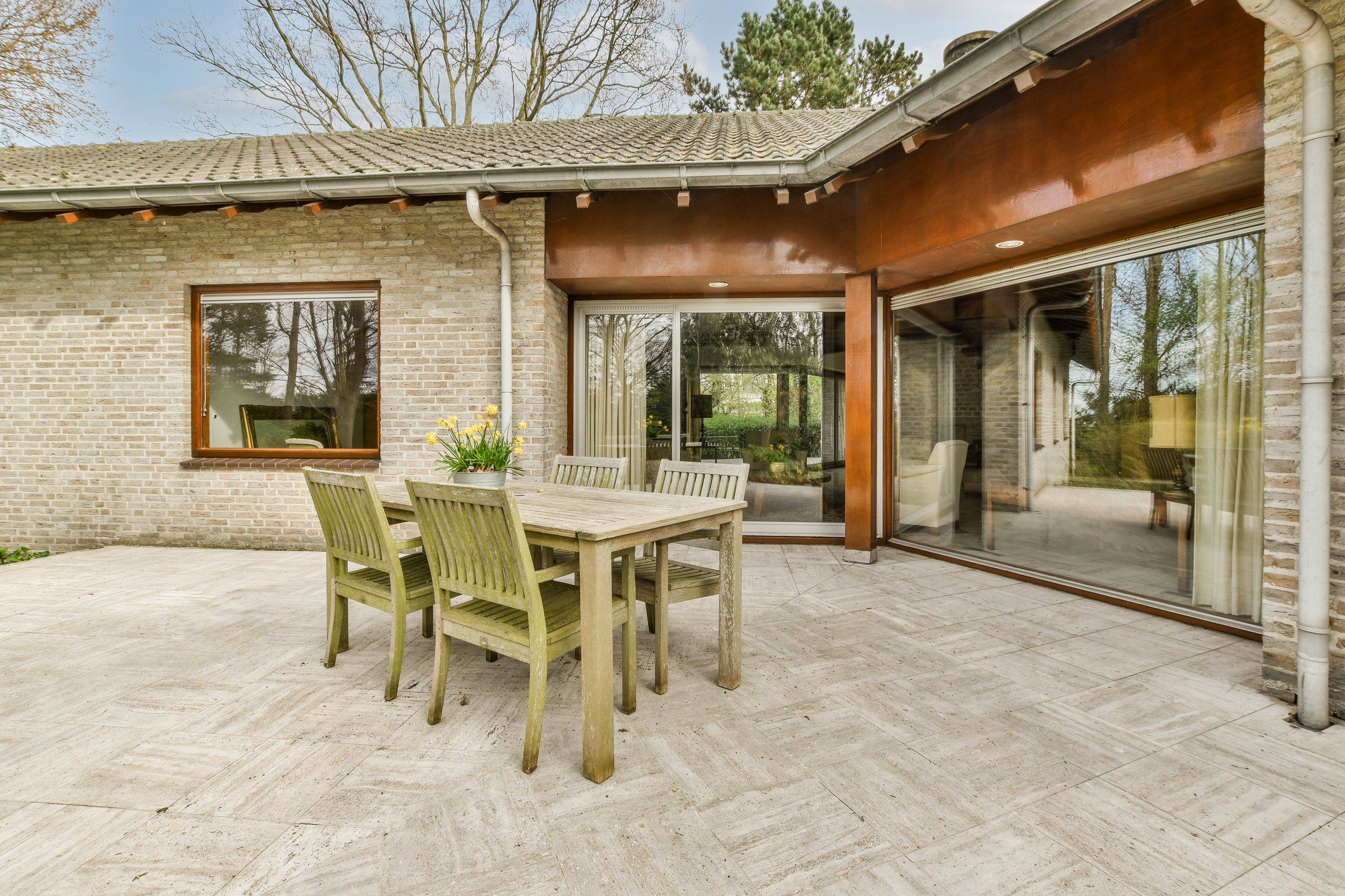
Outdoor rooms sized around the furniture, grill and gatherings you have in mind — with finishes from clean broom to stamped stone.
Free estimates in Waukesha
Send a short description and a few photos. We’ll follow up to arrange a visit and a written estimate for your concrete repair project in Waukesha.