Muddy shortcuts
Worn dirt paths across the lawn where everyone walks anyway.
Service 04 · Walkways
A walkway shapes how people experience a property. The route from the driveway to the front door sets the tone for guests. The path from the back door to the garden gets used a dozen times a day in summer. The side-yard walk to the trash bins gets used every week of the year.
Waukesha Elite Concrete builds walkways that make those trips easier and better looking. We follow the routes people naturally take, give the main entry some presence, and handle slopes with comfortable steps and landings.
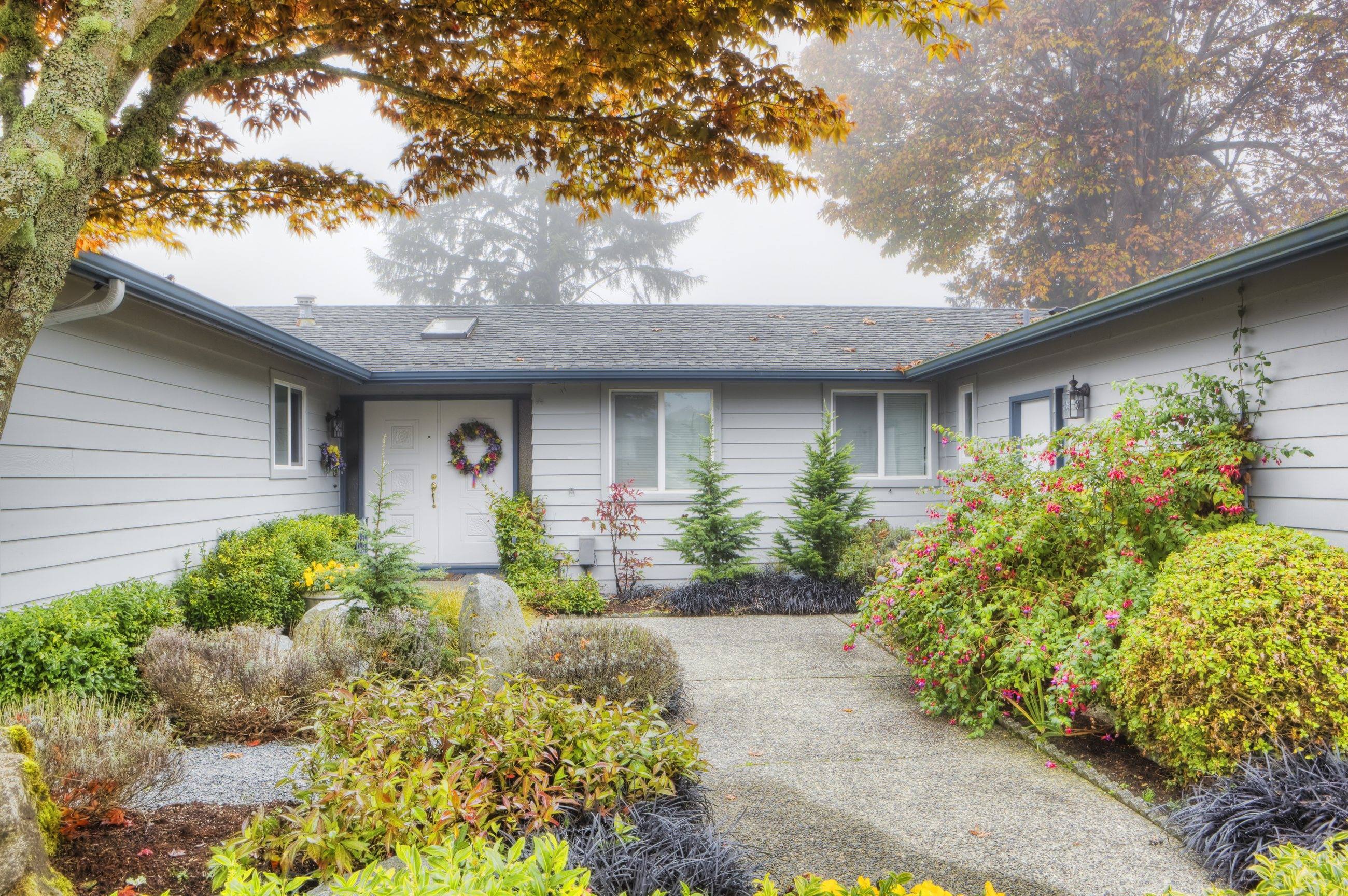
The front entry walk is the most visible. It should be wide enough for two people, lead naturally from where guests park, and feel proportionate to the house. A slight curve can soften a long straight approach; a clean straight line can suit a modern facade.
Garden and backyard paths are more relaxed. They can wind between beds, link a patio to a shed or play area, and be a little narrower. Plantings can spill over the edges, which is part of the charm.
Side yards and utility routes need to be practical: wide enough for a wheelbarrow or bins, sloped to drain, and easy to shovel. These are often the walks homeowners appreciate most once they’re in.
Common situations
Most walkway projects start with a daily annoyance.
Worn dirt paths across the lawn where everyone walks anyway.
Stones that rock, sink or catch the mower blade.
A narrow, cracked entry walk that undersells the house.
Slopes that make it awkward or unsafe to get from the driveway to the door.
A patio or garden you can only reach by crossing wet grass.
The process
The groundwork is similar to a sidewalk, with more attention to shape and how the walk meets the landscape.
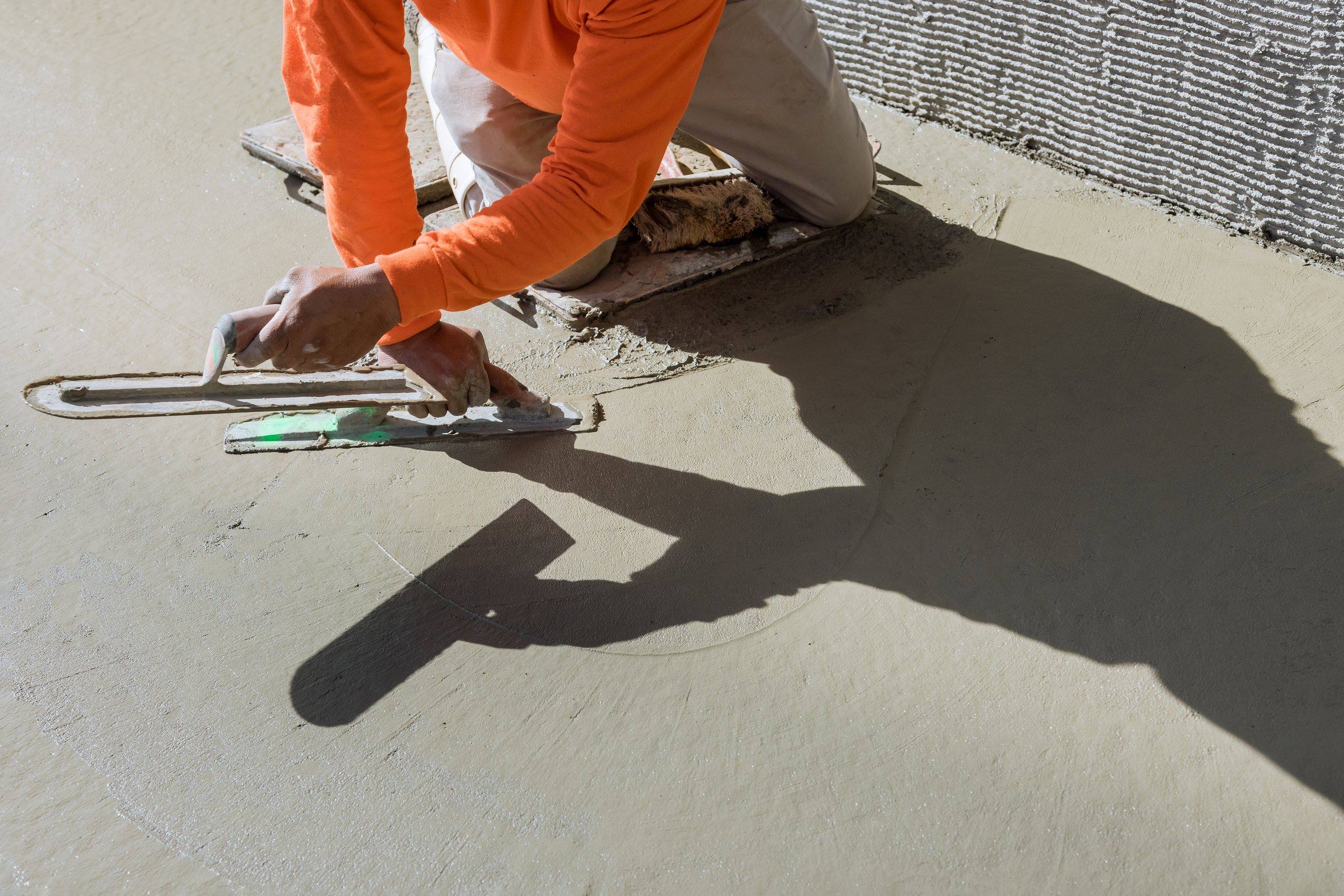
We lay out the path with you using paint or a hose, adjusting width and curves until it feels right.
Sod, soil, old stones and roots are removed along the route.
A compacted layer of granular base runs the full length so no section is left unsupported.
Flexible forms create smooth curves; steps and landings are formed with consistent rise and run.
Concrete is placed and finished, with joints that follow the walk’s shape.
After curing, forms come off and soil is restored so beds and lawn meet the walk neatly.
Materials & finishes
Walkways are a good place to add character without overwhelming the property.
Match the walk to the architecture and the garden’s style.
Tie a front walk to a stamped patio, or give it a subtle stone texture.
A contrasting edge frames the walk and draws the eye to the entry.
Concrete steps and landings poured with the walk handle grade changes comfortably.
Decorative finishes and colors are confirmed during your estimate.
Benefits
Less mud and grass tracked into the house.
No stones to steer around and no bare strips to reseed.
A well-proportioned entry walk makes the house feel welcoming.
A continuous, even surface is easier to walk at night and in bad weather.
Residential
Front entry walks, garden paths, side-yard routes, backyard connections and walks with steps.
Commercial
Walkways linking parking areas and entrances on smaller commercial sites can be discussed during an estimate.
Before & after
Drag to compare. This illustration will be replaced with real project photos when available.


Illustration only — not a photo of a Waukesha Elite Concrete project. Genuine project photos will replace it.
Waukesha, WI
Spring thaw can leave Waukesha lawns soggy for weeks. A walkway set slightly above the surrounding grade and pitched to shed water stays usable when the yard isn’t.
In winter, walkways need to be shoveled and sometimes salted. Gentle curves, consistent widths and well-formed steps make snow removal easier and help the concrete last.
FAQ
There’s overlap. We generally use “sidewalk” for straight, utilitarian walks — often along a street or driveway — and “walkway” for paths that connect parts of a property, which may curve or include steps.
Yes. Broad, sweeping curves read better than tight S-bends and are far easier to shovel.
Yes. Steps and landings can be poured with the walk to handle slopes, with consistent dimensions for safe footing.
We can choose a finish that complements it, but new and weathered concrete rarely match exactly at first. The difference softens over time.
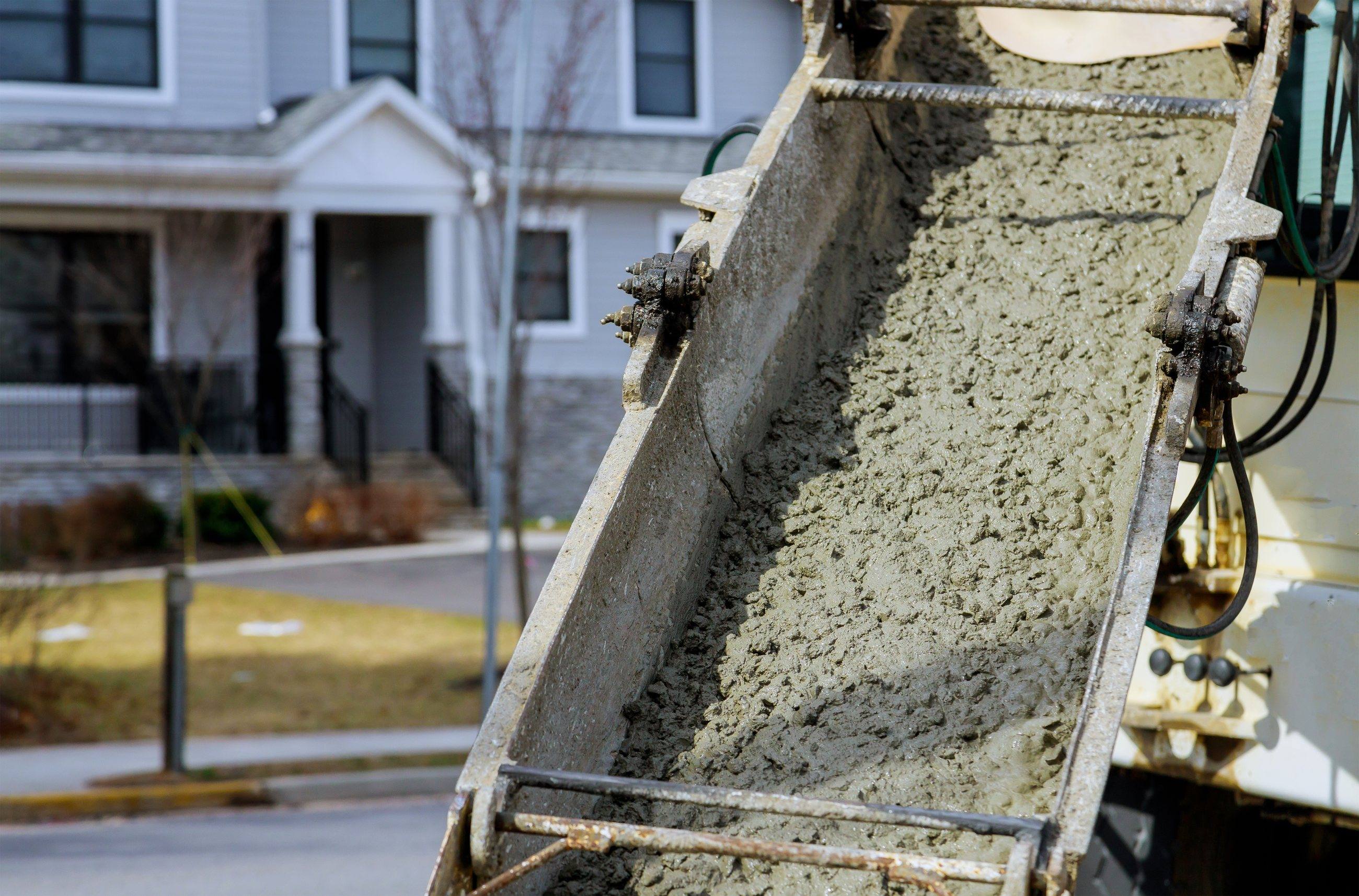
Level, safe sidewalks with proper drainage and flush transitions at driveways, steps and entrances.
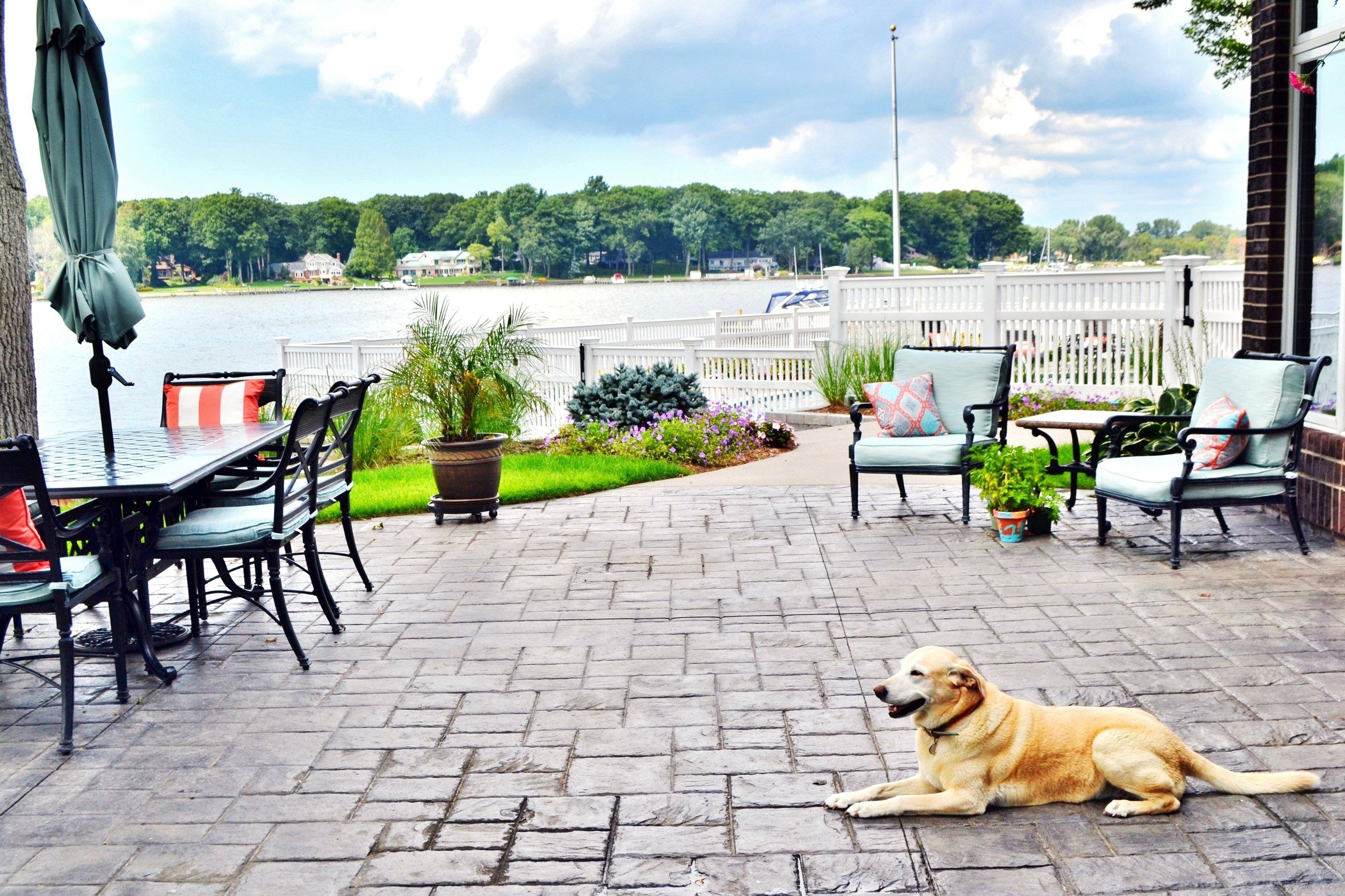
Stone, slate and brick-inspired patterns pressed into fresh concrete for a high-end look on one continuous surface.
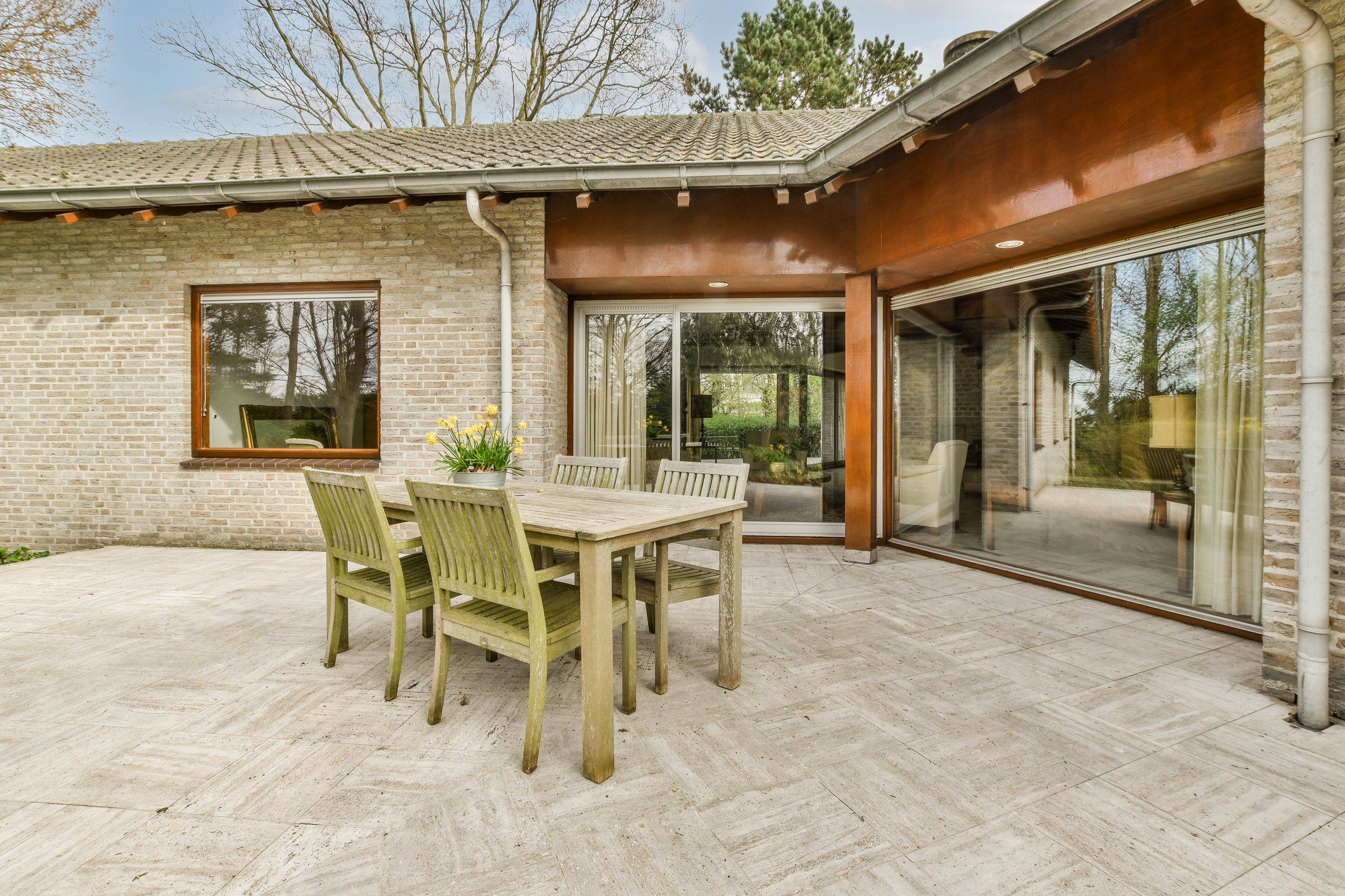
Outdoor rooms sized around the furniture, grill and gatherings you have in mind — with finishes from clean broom to stamped stone.
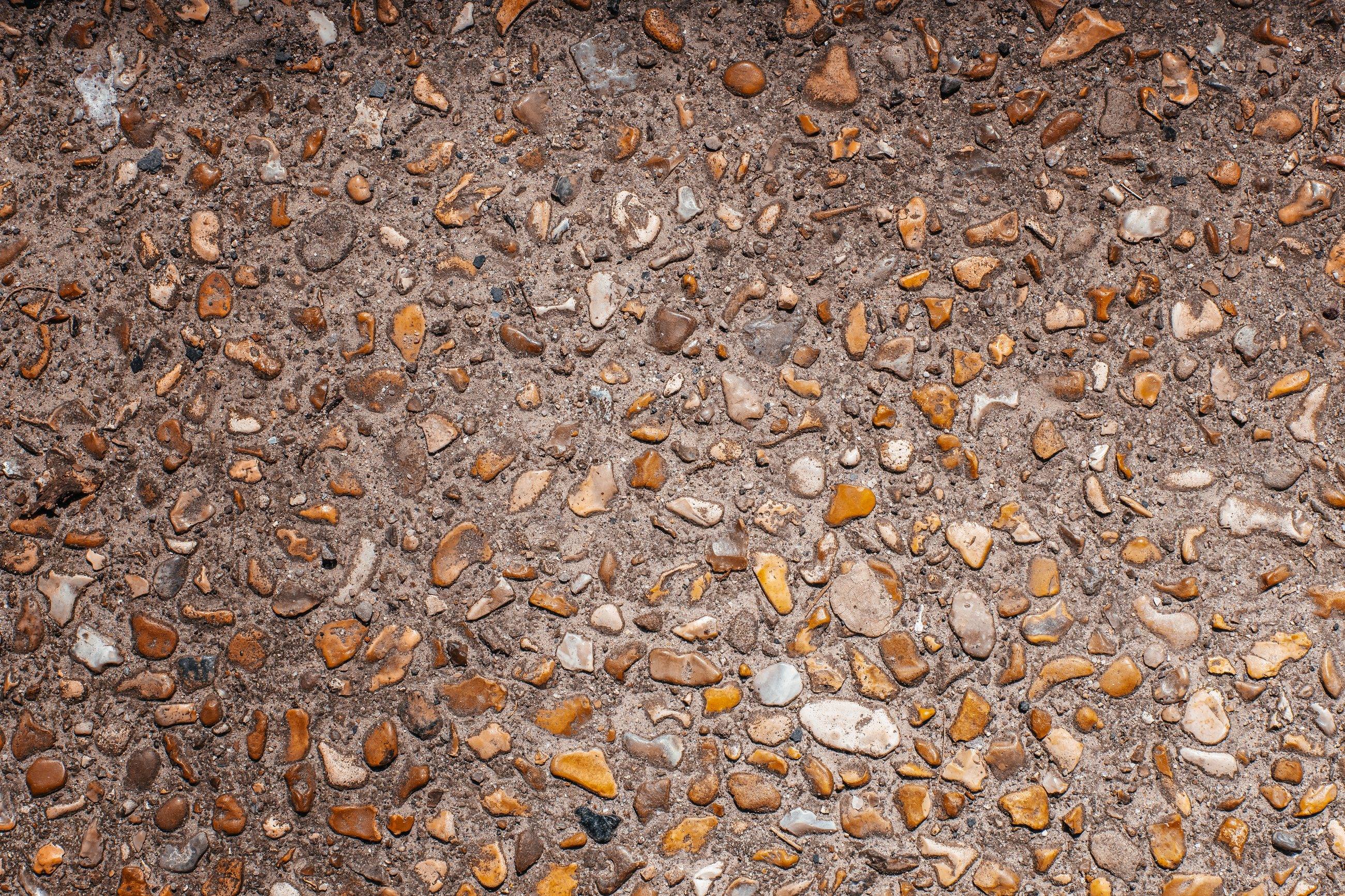
Exposed aggregate, color, borders, saw-cut patterns and textures that make concrete feel designed.
Free estimates in Waukesha
Send a short description and a few photos. We’ll follow up to arrange a visit and a written estimate for your concrete walkways project in Waukesha.